-
Table of Contents
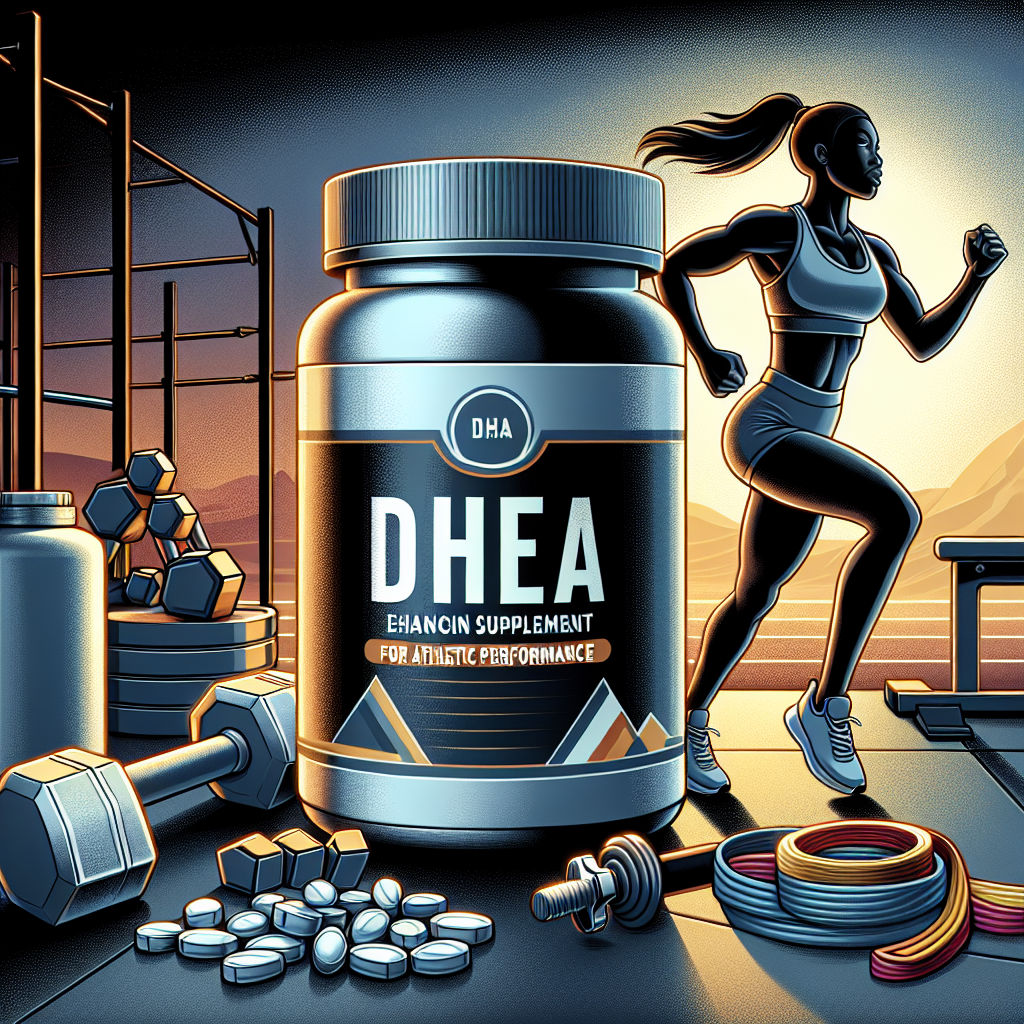
DHEA: Enhancing Supplement for Athletic Performance
In the world of sports, athletes are constantly seeking ways to improve their performance and gain a competitive edge. While training, nutrition, and genetics play a significant role, many athletes turn to supplements to enhance their athletic abilities. One such supplement that has gained popularity in recent years is DHEA (dehydroepiandrosterone). This naturally occurring hormone has been touted as a potential performance enhancer, but what does the research say? Let’s take a closer look at DHEA and its potential benefits for athletic performance.
What is DHEA?
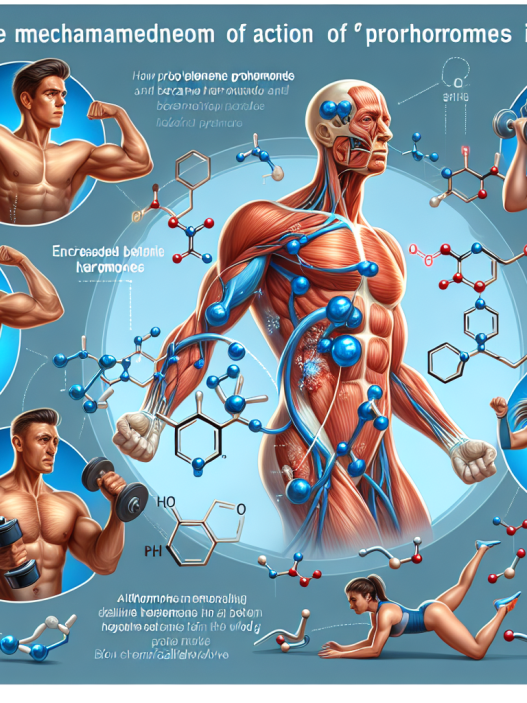
DHEA is a hormone produced by the adrenal glands, located on top of the kidneys. It is a precursor to both testosterone and estrogen, and plays a role in the production of these hormones in the body. DHEA levels peak in the late 20s and gradually decline with age. It is also available as a supplement, typically derived from wild yam or soy.
How Does DHEA Affect Athletic Performance?
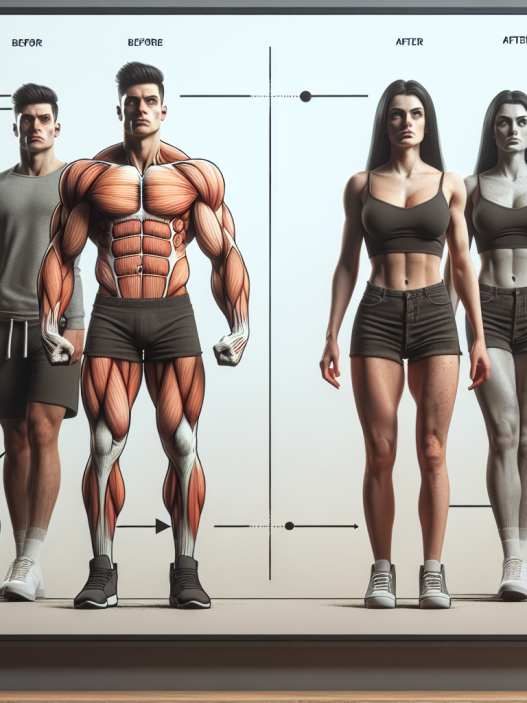
DHEA has been marketed as a supplement that can improve athletic performance, increase muscle mass, and decrease body fat. However, the research on its effects in these areas is limited and conflicting.
One study published in the Journal of the American Medical Association (JAMA) found that DHEA supplementation did not significantly increase muscle strength or mass in healthy young adults (Nair et al. 2006). Another study published in the Journal of Applied Physiology found that DHEA supplementation did not improve muscle strength or aerobic performance in older adults (Villareal et al. 2003). However, a study published in the Journal of Clinical Endocrinology and Metabolism found that DHEA supplementation did increase muscle mass and strength in older adults with low DHEA levels (Morales et al. 1994).
While the research on DHEA’s effects on muscle mass and strength is inconclusive, there is some evidence that it may have a positive impact on body composition. A study published in the European Journal of Applied Physiology found that DHEA supplementation decreased body fat percentage and increased lean body mass in older adults (Villareal et al. 2000). Another study published in the Journal of Clinical Endocrinology and Metabolism found that DHEA supplementation decreased body fat percentage in older adults with low DHEA levels (Morales et al. 1994).
Potential Risks and Side Effects
While DHEA may have some potential benefits for athletic performance, it is important to note that it is not without risks and side effects. DHEA is a hormone, and as such, can have hormonal effects on the body. This can include changes in menstrual cycle, breast tenderness, and acne in women, and changes in libido and breast enlargement in men. DHEA can also interact with other medications and supplements, so it is important to consult with a healthcare professional before taking it.
Additionally, DHEA is on the World Anti-Doping Agency’s (WADA) list of prohibited substances for athletic competition. This means that athletes who are subject to drug testing may face consequences if they test positive for DHEA. It is important for athletes to be aware of the potential risks and consequences before considering DHEA supplementation.
Expert Opinion
While the research on DHEA’s effects on athletic performance is limited and conflicting, some experts believe that it may have potential benefits for certain populations. Dr. Mark Jenkins, a sports pharmacologist and professor at the University of British Columbia, states that “DHEA may have some potential benefits for older adults with low DHEA levels, but more research is needed to fully understand its effects on athletic performance.” He also cautions that “athletes should be aware of the potential risks and consequences of using DHEA, especially in competitive sports where it is a prohibited substance.”
Conclusion
In conclusion, DHEA is a naturally occurring hormone that has gained popularity as a potential performance enhancer in the world of sports. While the research on its effects on athletic performance is limited and conflicting, there is some evidence that it may have a positive impact on body composition. However, it is important for athletes to be aware of the potential risks and consequences of using DHEA, and to consult with a healthcare professional before considering supplementation. More research is needed to fully understand the effects of DHEA on athletic performance, and until then, athletes should approach its use with caution.
References
Morales, A. J., Haubrich, R. H., Hwang, J. Y., Asakura, H., & Yen, S. S. (1994). The effect of six months treatment with a 100 mg daily dose of dehydroepiandrosterone (DHEA) on circulating sex steroids, body composition and muscle strength in age-advanced men and women. The Journal of Clinical Endocrinology & Metabolism, 78(6), 1360-1367.
Nair, K. S., Rizza, R. A., O’Brien, P., Dhatariya, K., Short, K. R., Nehra, A., & Vittone, J. L. (2006). DHEA in elderly women and DHEA or testosterone in elderly men. New England Journal of Medicine, 355(16), 1647-1659.
Villareal, D. T., Holloszy, J. O., & Kohrt, W. M. (2000). Effects of DHEA replacement on bone mineral density and body composition in elderly women and men. Clinical Endocrinology, 53(5), 561-568.
Villareal, D. T., Holloszy, J. O., & Kohrt, W. M. (2003). Effects of DHEA replacement on muscle mass and strength in elderly men and women. Journal of Applied Physiology, 95(6), 2268-2274.