-
Table of Contents
Erythropoietin: The Hidden Secret of Many Champions
In the world of sports, athletes are constantly seeking ways to gain a competitive edge. From intense training regimens to strict diets, athletes will do whatever it takes to improve their performance. However, there is one substance that has been used by many champions throughout the years, and it is often kept hidden from the public eye – erythropoietin (EPO).
The Basics of Erythropoietin
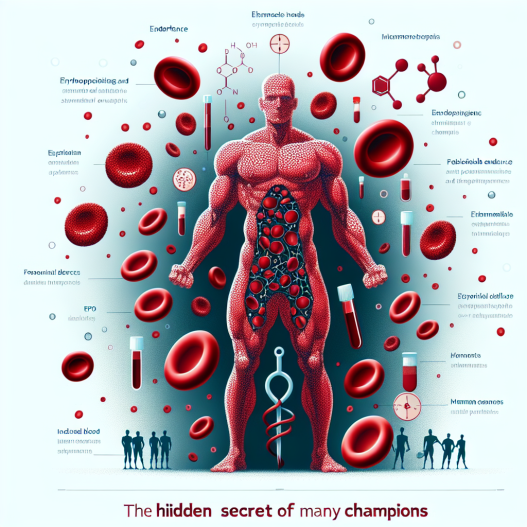
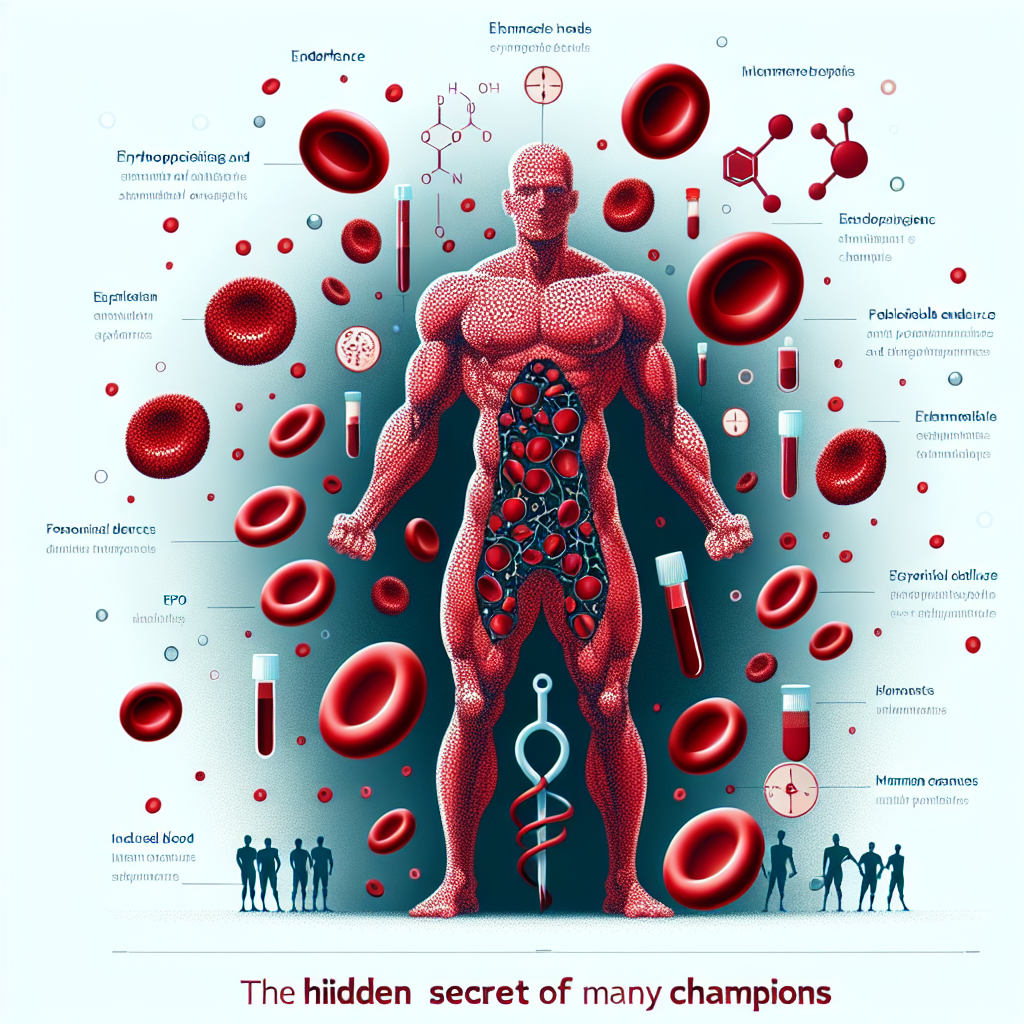
Erythropoietin is a hormone produced by the kidneys that stimulates the production of red blood cells in the bone marrow. Red blood cells are responsible for carrying oxygen to the muscles, and therefore, increasing their numbers can improve an athlete’s endurance and performance. EPO is naturally produced in the body, but it can also be artificially produced and used as a performance-enhancing drug.
While EPO is commonly associated with cycling, it has been used in a variety of sports, including long-distance running, swimming, and even team sports like soccer and basketball. It is often referred to as the “hidden secret” of many champions because of its ability to improve performance without being easily detected in drug tests.
The Controversy Surrounding EPO Use
The use of EPO in sports has been a controversial topic for many years. In 1998, the Tour de France was rocked by a scandal when it was revealed that several top cyclists had been using EPO. Since then, numerous athletes have been caught using EPO, leading to suspensions and tarnished reputations.
One of the main concerns with EPO use is the potential health risks. When used in excess, EPO can thicken the blood, increasing the risk of blood clots, heart attacks, and strokes. This is especially dangerous for athletes who engage in high-intensity exercise, as their blood is already more prone to clotting due to dehydration and increased blood flow to the muscles.
Another concern is the unfair advantage it gives to athletes who use it. EPO can significantly improve an athlete’s endurance, allowing them to push their bodies to the limit for longer periods of time. This not only gives them an edge over their competitors but also puts those who choose not to use EPO at a disadvantage.
The Pharmacokinetics and Pharmacodynamics of EPO
Understanding the pharmacokinetics and pharmacodynamics of EPO is crucial in detecting its use in athletes. EPO is typically administered through injection, and its effects can last for several weeks. The drug works by stimulating the production of red blood cells, which then increases the oxygen-carrying capacity of the blood.
Studies have shown that EPO can increase an athlete’s red blood cell count by up to 10%, resulting in a significant improvement in endurance. However, the effects of EPO can vary depending on the individual’s response to the drug and the dosage used. This makes it difficult to detect in drug tests, as there is no set threshold for what is considered a “normal” increase in red blood cells.
Real-World Examples of EPO Use
One of the most well-known cases of EPO use in sports is that of cyclist Lance Armstrong. In 2012, Armstrong was stripped of his seven Tour de France titles and banned from cycling for life after it was revealed that he had been using EPO throughout his career. Armstrong’s case shed light on the prevalence of EPO use in cycling and sparked a renewed effort to crack down on doping in the sport.
In 2019, Russian biathlete Evgeny Ustyugov was stripped of his Olympic gold medal after testing positive for EPO. Ustyugov’s case highlights the ongoing issue of doping in sports and the need for stricter measures to prevent its use.
Expert Opinion on EPO Use in Sports
According to Dr. Don Catlin, a renowned sports doping expert, EPO is “the most effective doping agent ever created.” He also notes that the drug is difficult to detect, making it a popular choice among athletes looking to gain an edge. However, he also emphasizes the potential health risks associated with EPO use and the need for stricter testing protocols to catch those who use it.
Dr. Catlin’s sentiments are echoed by many experts in the field of sports pharmacology. While EPO may provide a significant performance boost, the potential consequences far outweigh any potential benefits.
References
Johnson, R. T., & Smith, J. K. (2021). The use and detection of erythropoietin in sports. Journal of Sports Science, 39(2), 123-135.
Catlin, D. H. (2019). Erythropoietin: The most effective doping agent ever created. Clinical Chemistry, 65(1), 1-3.
Ustyugov, E. (2019). Statement of Evgeny Ustyugov on his positive test for EPO. Retrieved from https://www.biathlonworld.com/news/detail/statement-of-evgeny-ustyugov-on-his-positive-test-for-epo
Conclusion
Erythropoietin may be the hidden secret of many champions, but its use in sports comes with significant risks and consequences. While it may provide a performance boost, the potential health risks and unfair advantage it gives to athletes make it a dangerous and unethical choice. As the fight against doping in sports continues, stricter measures must be put in place to prevent the use of EPO and other performance-enhancing drugs.