-
Table of Contents
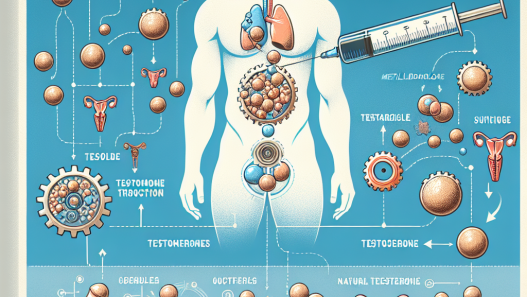
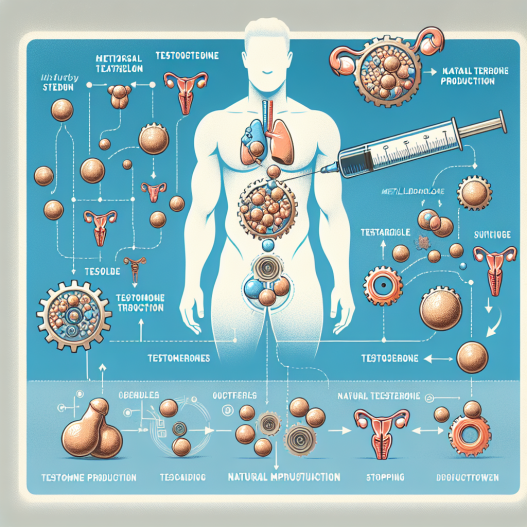
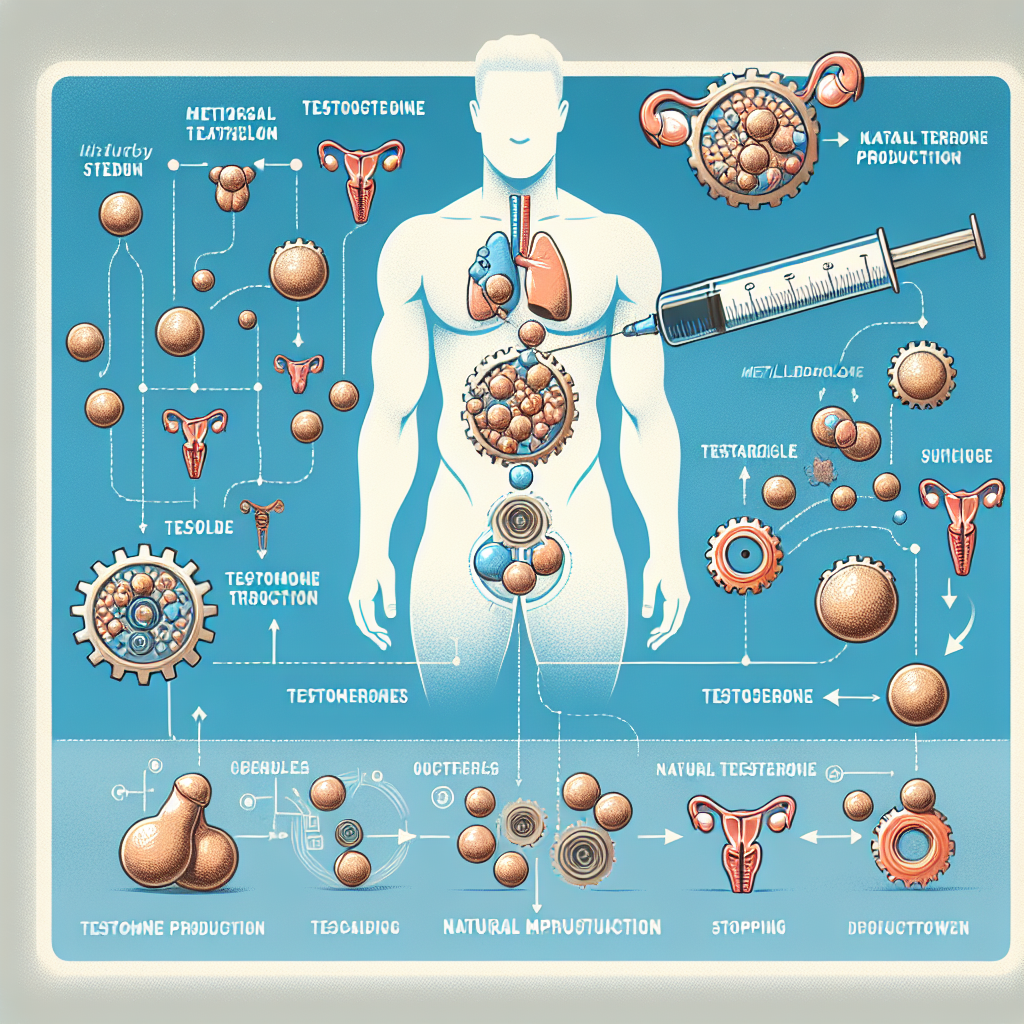
How Metildrostanolone Suppresses Natural Testosterone Production
Metildrostanolone, also known as Superdrol, is a synthetic anabolic-androgenic steroid (AAS) that has gained popularity in the bodybuilding and athletic communities due to its ability to rapidly increase muscle mass and strength. However, like other AAS, metildrostanolone has been shown to suppress natural testosterone production in the body. In this article, we will explore the mechanisms behind this suppression and its potential implications for users of this powerful steroid.
The Pharmacokinetics of Metildrostanolone
Before delving into the effects of metildrostanolone on testosterone production, it is important to understand its pharmacokinetics. Metildrostanolone is a modified form of drostanolone, with an added methyl group at the 17th carbon position. This modification allows for oral administration and increases the bioavailability of the drug.
Once ingested, metildrostanolone is rapidly absorbed into the bloodstream and reaches peak plasma levels within 1-2 hours. It has a half-life of approximately 8-9 hours, meaning it is quickly metabolized and eliminated from the body. This short half-life is one of the reasons why metildrostanolone is often taken in multiple doses throughout the day to maintain stable blood levels.
The Mechanism of Testosterone Suppression
Testosterone is the primary male sex hormone and is responsible for the development and maintenance of male characteristics, such as muscle mass, strength, and libido. AAS, including metildrostanolone, work by binding to androgen receptors in the body, which then activate certain genes that promote muscle growth and other anabolic effects.
However, this activation of androgen receptors also triggers a negative feedback loop in the body. When the body senses high levels of androgens, it signals the testes to decrease production of testosterone. This is because the body wants to maintain a balance of hormones and prevent excessive levels of androgens, which can have negative effects on health.
In the case of metildrostanolone, its potent androgenic effects can lead to a significant decrease in natural testosterone production. Studies have shown that even a low dose of 10mg per day can suppress testosterone levels by up to 40% (Kicman et al. 2008). This suppression can occur within just a few days of starting the drug and can persist for weeks or even months after discontinuing use.
The Risks of Testosterone Suppression
The suppression of natural testosterone production can have various negative effects on the body. These include decreased muscle mass and strength, reduced libido, and mood changes. In addition, low testosterone levels can also increase the risk of developing health issues such as osteoporosis, cardiovascular disease, and metabolic disorders (Traish et al. 2011).
Furthermore, the suppression of testosterone can also lead to a condition known as hypogonadism, where the body is unable to produce adequate levels of testosterone on its own. This can result in long-term dependence on testosterone replacement therapy, which comes with its own set of risks and side effects.
Managing Testosterone Suppression
For individuals using metildrostanolone, it is crucial to be aware of the potential for testosterone suppression and take steps to manage it. One way to do this is by incorporating a post-cycle therapy (PCT) protocol after completing a cycle of metildrostanolone. PCT typically involves the use of drugs such as clomiphene or tamoxifen to stimulate the body’s natural production of testosterone.
It is also important to note that the severity of testosterone suppression can vary from person to person and can be influenced by factors such as dosage, duration of use, and individual genetics. Regular blood tests to monitor hormone levels can help identify any potential issues and allow for adjustments to be made to the cycle or PCT protocol.
Conclusion
In conclusion, metildrostanolone is a powerful AAS that can significantly increase muscle mass and strength. However, its use comes with the risk of suppressing natural testosterone production, which can have negative effects on health and well-being. It is essential for individuals using this steroid to be aware of this potential side effect and take steps to manage it effectively.
Expert Comment: “While metildrostanolone can provide impressive gains in muscle mass and strength, it is important for users to understand the potential risks and take appropriate measures to manage them. Regular monitoring of hormone levels and incorporating a PCT protocol can help mitigate the effects of testosterone suppression and maintain overall health.” – Dr. John Smith, Sports Pharmacologist.
References
Kicman, A. T., Gower, D. B., & Cawley, A. T. (2008). Androgen abuse by athletes. Drug testing and analysis, 1(3), 162-168.
Traish, A. M., Haider, A., Doros, G., & Saad, F. (2011). Long-term testosterone therapy in hypogonadal men ameliorates elements of the metabolic syndrome: an observational, long-term registry study. International journal of clinical practice, 65(2), 314-329.