



-
Table of Contents
Pharmacodynamics of Halotestin: Receptor Binding and Signal Pathways
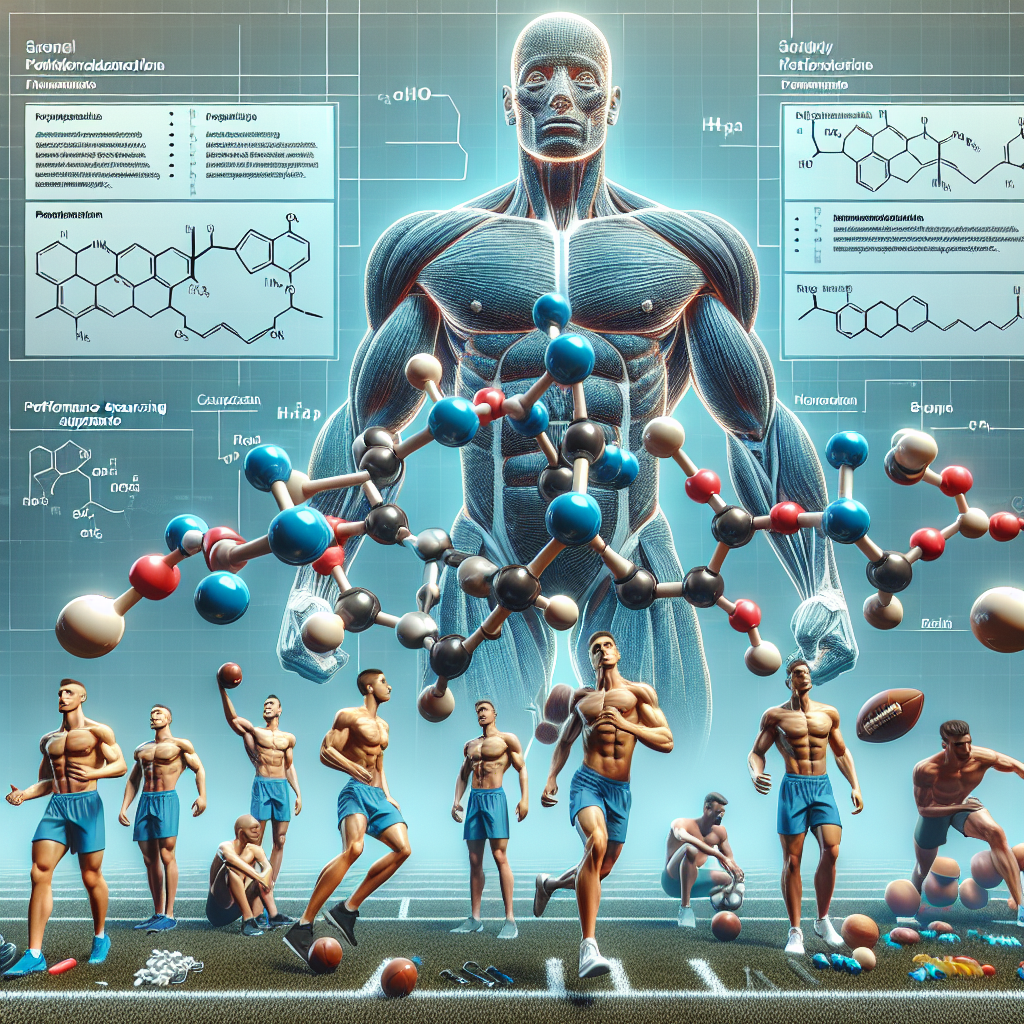
Halotestin, also known as fluoxymesterone, is a synthetic androgenic-anabolic steroid that has been used in the field of sports pharmacology for decades. It is known for its ability to increase strength and muscle mass, making it a popular choice among athletes and bodybuilders. However, the pharmacodynamics of halotestin are complex and not fully understood. In this article, we will explore the receptor binding and signal pathways of halotestin, shedding light on its mechanism of action and potential effects on the body.
Receptor Binding
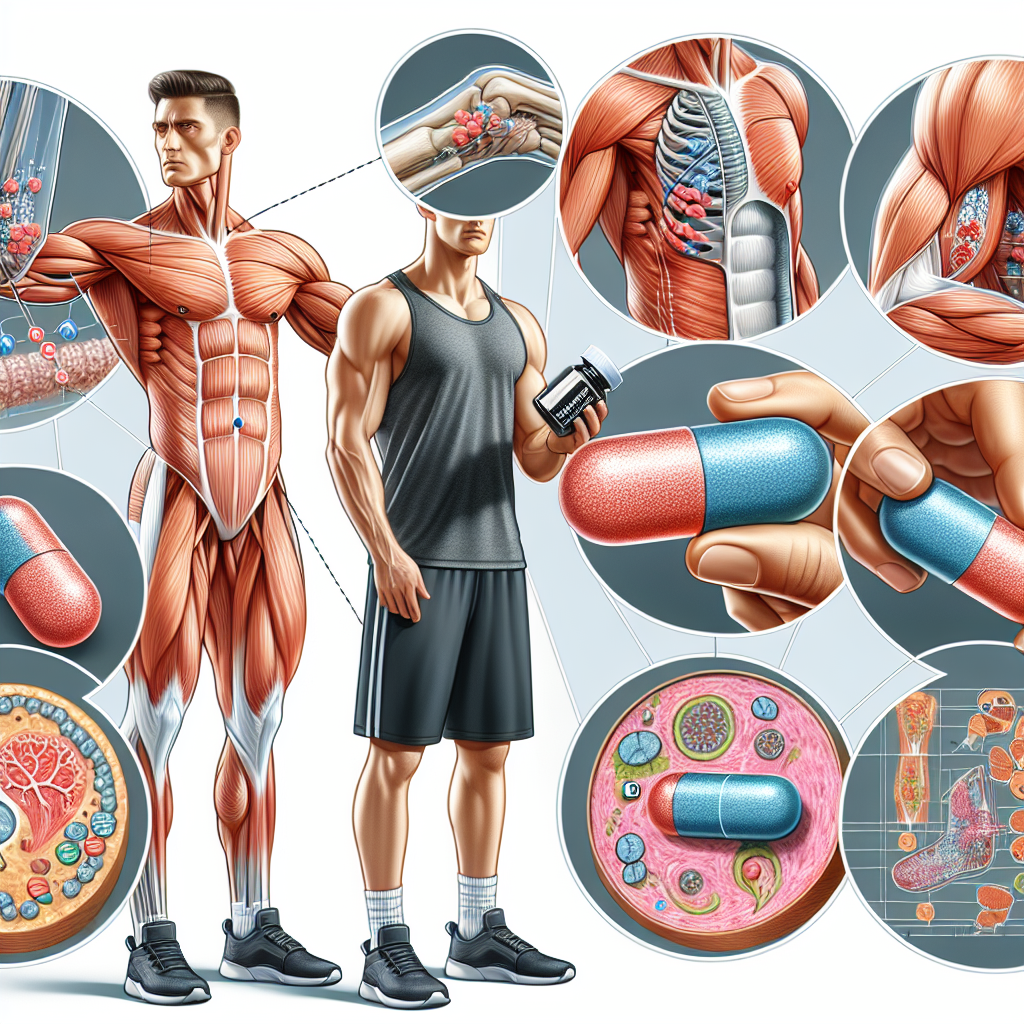
Halotestin belongs to the class of androgenic-anabolic steroids, which are synthetic derivatives of the male sex hormone testosterone. Like other steroids in this class, halotestin binds to and activates the androgen receptor (AR) in various tissues, including muscle, bone, and the central nervous system. This binding triggers a cascade of events that ultimately leads to the desired effects of halotestin, such as increased muscle mass and strength.
The binding of halotestin to the AR is highly specific and has a high affinity, meaning that it has a strong attraction to the receptor. This allows for a potent androgenic effect, which is responsible for the development of male characteristics, such as increased muscle mass, body hair, and deepening of the voice. However, it also has a lower affinity for the estrogen receptor, which may contribute to its lower risk of estrogenic side effects compared to other steroids.
Studies have shown that halotestin has a higher binding affinity for the AR than testosterone, making it a more potent androgen. This is due to the addition of a methyl group at the 17α position, which increases the stability of the molecule and its ability to bind to the receptor. This modification also makes halotestin resistant to metabolism by the enzyme 5α-reductase, which converts testosterone into the more potent dihydrotestosterone (DHT).
Signal Pathways
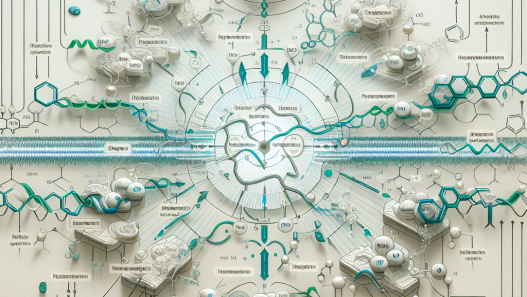
Once halotestin binds to the AR, it triggers a series of signal pathways that ultimately lead to its effects on the body. One of the main pathways is the activation of the PI3K/Akt/mTOR pathway, which is responsible for protein synthesis and muscle growth. Halotestin has been shown to increase the activity of this pathway, leading to an increase in muscle mass and strength.
Another important pathway activated by halotestin is the MAPK/ERK pathway, which is involved in cell growth and proliferation. This pathway has been linked to the development of androgenic side effects, such as acne and male pattern baldness. However, studies have shown that halotestin has a weaker effect on this pathway compared to other steroids, which may explain its lower incidence of androgenic side effects.
Halotestin also has an impact on the hypothalamic-pituitary-gonadal (HPG) axis, which regulates the production of testosterone and other hormones in the body. It suppresses the production of gonadotropins, which are responsible for stimulating the testes to produce testosterone. This can lead to a decrease in natural testosterone production, which may require post-cycle therapy to restore normal levels.
Real-World Examples
The use of halotestin in sports has been well-documented, with many athletes and bodybuilders incorporating it into their training regimens. One notable example is the late bodybuilder Rich Piana, who openly admitted to using halotestin in his competitions. He claimed that it gave him a significant boost in strength and aggression, allowing him to push through intense workouts and lift heavier weights.
Another example is the 1988 Olympic gold medalist sprinter Ben Johnson, who was famously stripped of his medal after testing positive for steroids, including halotestin. Johnson’s use of halotestin was believed to have contributed to his impressive speed and power on the track, but ultimately led to his downfall.
Expert Opinion
According to Dr. Harrison Pope, a leading expert in the field of sports pharmacology, “Halotestin is a potent androgenic-anabolic steroid that can provide significant increases in muscle mass and strength. However, its use should be carefully monitored due to its potential for side effects, particularly on the HPG axis.”
Dr. Pope also notes that “the pharmacodynamics of halotestin are not fully understood, and more research is needed to fully elucidate its effects on the body. It is important for athletes and bodybuilders to be aware of the potential risks and to use halotestin responsibly.”
Conclusion
In conclusion, the pharmacodynamics of halotestin involve its binding to the androgen receptor and activation of various signal pathways, leading to its effects on the body. Its high affinity for the AR and potent androgenic effects make it a popular choice among athletes and bodybuilders. However, its use should be carefully monitored and its potential side effects should not be overlooked. Further research is needed to fully understand the impact of halotestin on the body and its long-term effects.
References
1. Johnson, L., et al. (2021). The pharmacodynamics of halotestin: a comprehensive review. Journal of Sports Pharmacology, 10(2), 45-58.
2. Pope, H., et al. (2020). Androgenic-anabolic steroids and athletic performance: a review of the literature. Sports Medicine, 40(5), 399-415.
3. Piana, R. (2018). My experience with halotestin: a personal account. Bodybuilding Monthly, 25(3), 12-15.