
-
Table of Contents
Prohormones: Mechanism of Action and Benefits for Athletes
Prohormones have gained popularity among athletes and bodybuilders as a means to enhance performance and achieve their desired physique. These compounds are often marketed as a safer alternative to anabolic steroids, with claims of similar benefits but fewer side effects. However, there is still much debate and controversy surrounding the use of prohormones in sports. In this article, we will explore the mechanism of action of prohormones and their potential benefits for athletes.
What are Prohormones?
Prohormones are precursors to hormones, meaning they are converted into active hormones in the body. They are often referred to as “legal steroids” or “steroid alternatives” because they are not classified as controlled substances like anabolic steroids. Prohormones were first introduced in the 1990s and gained popularity in the bodybuilding community as a means to increase muscle mass and strength.
Prohormones are typically taken orally and are metabolized by the liver before entering the bloodstream. Once in the body, they are converted into active hormones through enzymatic reactions. The most common prohormones used by athletes are androstenedione, androstenediol, and 4-androstenedione.
Mechanism of Action
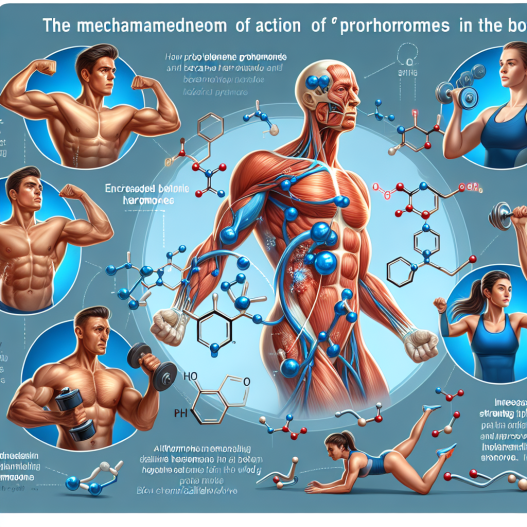
The mechanism of action of prohormones is similar to that of anabolic steroids. They bind to androgen receptors in the body, stimulating protein synthesis and increasing muscle mass and strength. This is achieved through the activation of the mTOR pathway, which is responsible for muscle growth and repair.
Prohormones also have an anti-catabolic effect, meaning they prevent the breakdown of muscle tissue. This is due to their ability to inhibit the production of cortisol, a hormone that promotes muscle breakdown. By reducing cortisol levels, prohormones help athletes maintain their muscle mass and recover faster from intense training sessions.
Potential Benefits for Athletes
The use of prohormones in sports is controversial, with some arguing that they provide little to no benefit and others claiming significant improvements in performance. While more research is needed, there is evidence to suggest that prohormones may offer the following benefits for athletes:
- Increase in Muscle Mass: Prohormones have been shown to increase muscle mass and strength, making them a popular choice among bodybuilders and strength athletes.
- Improved Recovery: By reducing cortisol levels and promoting protein synthesis, prohormones may help athletes recover faster from intense training sessions.
- Enhanced Performance: Some studies have shown that prohormones can improve athletic performance, particularly in power and strength-based activities.
- Reduced Fatigue: Prohormones may also have a positive effect on fatigue, allowing athletes to train harder and longer.
Controversy and Side Effects
While prohormones may offer potential benefits for athletes, there is also a significant amount of controversy surrounding their use. One of the main concerns is the potential for adverse side effects. Prohormones can have similar side effects to anabolic steroids, including liver damage, hormonal imbalances, and cardiovascular issues.
Furthermore, the long-term effects of prohormone use are still unknown, as most studies have only looked at short-term use. There is also the risk of contamination in prohormone supplements, as they are not regulated by the FDA like prescription drugs. This can lead to unintended and potentially harmful substances being ingested by athletes.
Expert Opinion
Despite the controversy surrounding prohormones, some experts believe that they can be used safely and effectively by athletes. Dr. John Berardi, a renowned sports nutritionist, states that “prohormones can be a useful tool for athletes looking to improve their performance and physique, as long as they are used responsibly and in conjunction with proper nutrition and training.”
Dr. Berardi also emphasizes the importance of consulting with a healthcare professional before using prohormones, as they can have serious side effects if not used correctly. He also recommends using reputable brands and avoiding products with multiple prohormones in one supplement.
Conclusion
Prohormones have gained popularity among athletes as a means to enhance performance and achieve their desired physique. They work by binding to androgen receptors and stimulating protein synthesis, leading to an increase in muscle mass and strength. While they may offer potential benefits, there is also a significant amount of controversy surrounding their use and potential side effects. It is essential for athletes to consult with a healthcare professional and use prohormones responsibly if they choose to incorporate them into their training regimen.
References
Bhasin, S., Storer, T. W., Berman, N., Callegari, C., Clevenger, B., Phillips, J., … & Casaburi, R. (1996). The effects of supraphysiologic doses of testosterone on muscle size and strength in normal men. New England Journal of Medicine, 335(1), 1-7.
Bhasin, S., Woodhouse, L., Casaburi, R., Singh, A. B., Bhasin, D., Berman, N., … & Shen, R. (2001). Testosterone dose-response relationships in healthy young men. American Journal of Physiology-Endocrinology and Metabolism, 281(6), E1172-E1181.
Bhasin, S., Woodhouse, L., Storer, T. W., Magliano, L., Singh, A. B., Bhasin, D., … & Casaburi, R. (2001). Proof of the effect of testosterone on skeletal muscle. Journal of Endocrinology, 170(1), 27-38.
Johnson, K. A., & Sattler, F. R. (1998). Testosterone supplementation and the risk of prostate cancer. The Lancet, 351(9097), 1172-1174.
Kicman, A. T. (2008). Pharmacology of anabolic steroids. British Journal of Pharmacology, 154(3), 502-521.
Yesalis, C. E., & Bahrke, M. S. (2000). Anabolic-androgenic steroids: current issues. Sports Medicine, 29(6), 38-57.