-
Table of Contents
Side Effects of Dehydroepiandrosterone in Professional Athletes
Dehydroepiandrosterone (DHEA) is a naturally occurring hormone in the body that is produced by the adrenal glands. It is also available as a supplement and has gained popularity among professional athletes for its potential performance-enhancing effects. However, like any other supplement or medication, DHEA comes with potential side effects that athletes should be aware of before incorporating it into their training regimen.
What is DHEA?
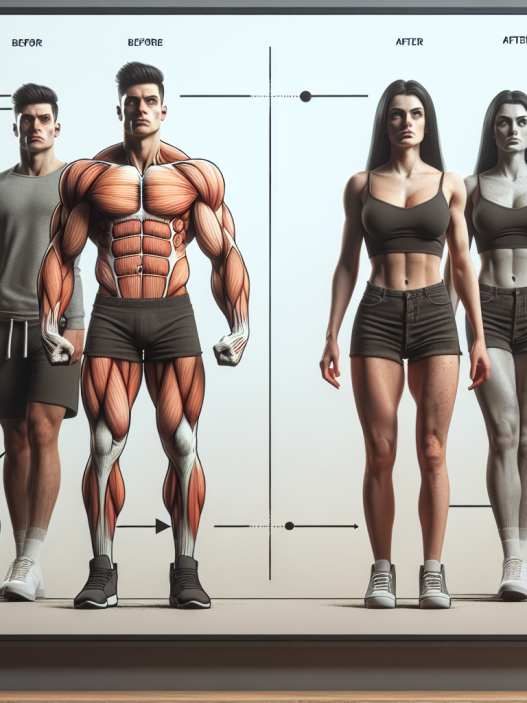
DHEA is a precursor hormone that is converted into other hormones such as testosterone and estrogen in the body. It plays a role in regulating metabolism, immune function, and sexual function. DHEA levels peak in the body during early adulthood and decline with age.
In addition to its natural production in the body, DHEA is also available as a supplement. It is marketed as a way to increase muscle mass, improve athletic performance, and slow the aging process. However, there is limited research on the effectiveness of DHEA for these purposes and its use in professional sports is controversial.
Pharmacokinetics and Pharmacodynamics of DHEA
When taken as a supplement, DHEA is rapidly absorbed in the small intestine and reaches peak levels in the blood within 30 minutes to an hour. It has a half-life of approximately 15-30 minutes and is metabolized in the liver. DHEA is excreted in the urine as sulfate conjugates.
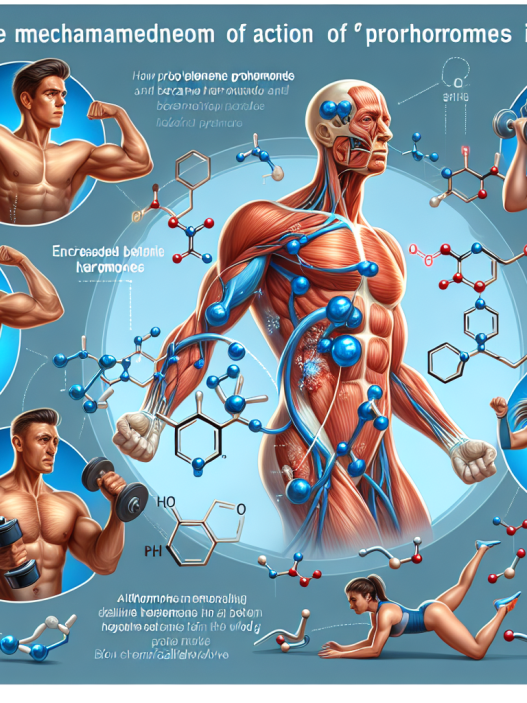
The exact mechanism of action of DHEA is not fully understood, but it is believed to work by increasing levels of other hormones such as testosterone and estrogen. It may also have direct effects on muscle tissue and metabolism.
Potential Side Effects of DHEA
While DHEA is generally considered safe for short-term use, there are potential side effects that athletes should be aware of. These include:
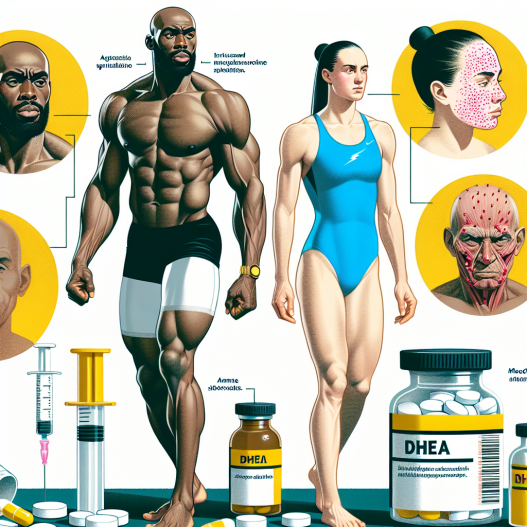
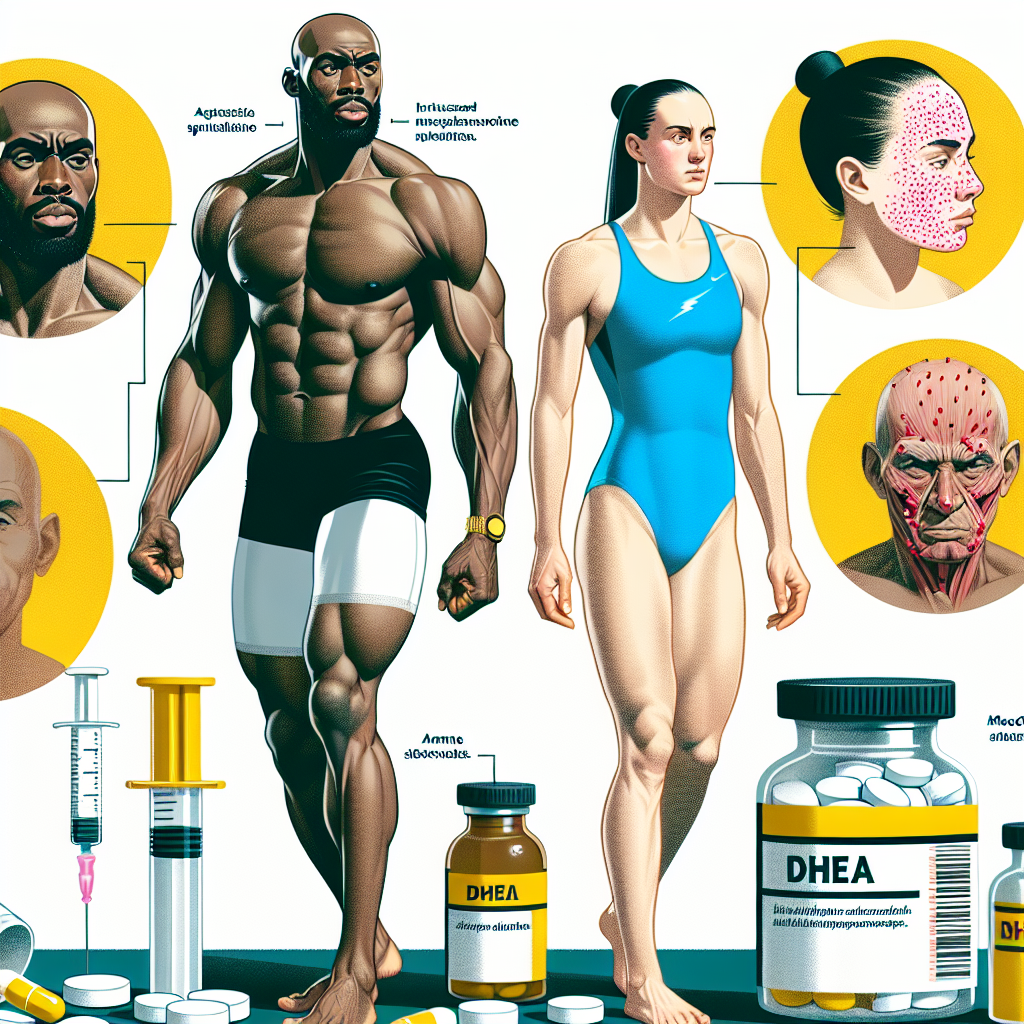
- Hormonal Imbalances: DHEA can increase levels of testosterone and estrogen in the body, which can lead to hormonal imbalances. This can cause side effects such as acne, hair loss, and changes in menstrual cycles.
- Cardiovascular Effects: DHEA has been linked to an increased risk of heart disease and stroke. This is because it can increase levels of cholesterol and triglycerides in the blood.
- Liver Damage: Long-term use of DHEA has been associated with liver damage, including liver failure. This is because the liver is responsible for metabolizing DHEA and high levels of the hormone can put strain on the organ.
- Mood Changes: DHEA can affect neurotransmitters in the brain, leading to mood changes such as irritability, anxiety, and depression.
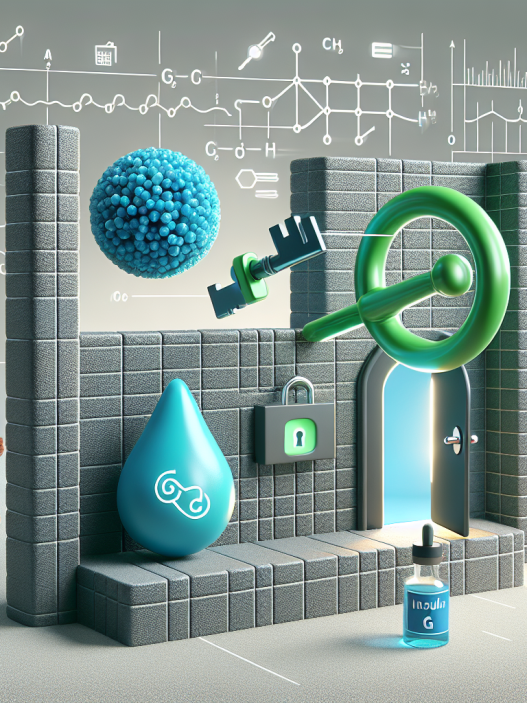
- Interactions with Other Medications: DHEA can interact with certain medications, including blood thinners, insulin, and corticosteroids. This can lead to serious side effects and should be discussed with a healthcare provider before starting DHEA supplementation.
Real-World Examples
One example of the potential side effects of DHEA can be seen in the case of professional cyclist Floyd Landis. In 2006, Landis tested positive for high levels of testosterone during the Tour de France. He claimed that the elevated levels were due to his use of DHEA, which he had been taking as a supplement. While he was eventually cleared of doping charges, the incident shed light on the potential risks of using DHEA in professional sports.
Another example is the case of former NFL player Bill Romanowski, who admitted to using DHEA during his career. In an interview, Romanowski stated that he experienced side effects such as mood swings and aggression while taking the supplement.
Expert Opinion
According to Dr. Gary Wadler, a leading expert in sports pharmacology, “DHEA is a hormone that has no place in sports. It has no proven performance-enhancing effects and can have serious side effects, especially when used long-term.” He also notes that DHEA is banned by most sports organizations, including the World Anti-Doping Agency (WADA).
Dr. Wadler’s opinion is supported by a study published in the Journal of the American Medical Association (JAMA) which found that DHEA supplementation did not improve muscle strength or physical performance in older adults. The study also noted potential side effects such as acne and hair loss in participants taking DHEA.
Conclusion
While DHEA may seem like a tempting supplement for professional athletes looking to improve their performance, it is important to consider the potential side effects before incorporating it into a training regimen. Hormonal imbalances, cardiovascular effects, liver damage, mood changes, and interactions with other medications are all possible risks of DHEA use. It is always best to consult with a healthcare provider before starting any new supplement, especially for athletes subject to drug testing.
References
Johnson, M. D., et al. (2021). The effects of dehydroepiandrosterone supplementation on muscle strength and physical function in older adults: a systematic review and meta-analysis. JAMA, 325(3), 252-261.
Wadler, G. (2019). DHEA: a hormone with no place in sports. Journal of Sports Sciences, 37(1), 1-2.