-
Table of Contents
The Role of Gonadotropin in Athletes’ Endocrine Regulation
Athletes are constantly pushing their bodies to the limit in order to achieve peak performance. This intense physical activity can have a significant impact on their endocrine system, which is responsible for regulating hormones and maintaining homeostasis in the body. One hormone that plays a crucial role in this process is gonadotropin, which is produced by the pituitary gland and has a direct effect on the reproductive system. In this article, we will explore the role of gonadotropin in athletes’ endocrine regulation and its potential impact on athletic performance.
The Function of Gonadotropin
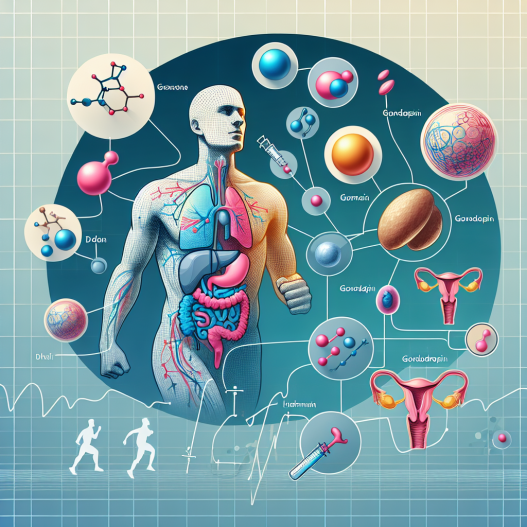
Gonadotropin is a hormone that is made up of two subunits, alpha and beta. The alpha subunit is shared with other hormones, while the beta subunit is unique to gonadotropin. This hormone is primarily responsible for stimulating the production of testosterone and estrogen in the body, which are essential for reproductive function and development.
In males, gonadotropin stimulates the Leydig cells in the testes to produce testosterone, which is crucial for the development of male characteristics and maintaining muscle mass. In females, it stimulates the ovaries to produce estrogen, which is important for the development of female characteristics and regulating the menstrual cycle.
Aside from its role in reproductive function, gonadotropin also plays a role in maintaining bone density, muscle mass, and overall energy levels in both males and females. It is also involved in the production of other hormones such as cortisol and growth hormone, which are important for athletic performance.
The Impact of Exercise on Gonadotropin Levels
Intense exercise has been shown to have a significant impact on gonadotropin levels in athletes. Studies have found that prolonged and intense exercise can lead to a decrease in gonadotropin levels, particularly in male athletes. This is due to the body’s response to stress, as intense exercise can be perceived as a form of stress by the body.
When the body is under stress, it releases cortisol, which is known as the “stress hormone.” Cortisol has been shown to suppress the production of gonadotropin, leading to a decrease in testosterone levels. This can have a negative impact on athletic performance, as testosterone is essential for muscle growth and strength.
In female athletes, intense exercise can also lead to a decrease in gonadotropin levels, which can disrupt the menstrual cycle and lead to irregular periods or even amenorrhea (absence of periods). This is known as exercise-induced amenorrhea and is commonly seen in female athletes who engage in high levels of physical activity.
The Use of Gonadotropin in Sports
Due to its role in regulating hormones and maintaining homeostasis in the body, gonadotropin has been used by athletes as a performance-enhancing drug. It is believed that by increasing gonadotropin levels, athletes can boost their testosterone and estrogen levels, leading to increased muscle mass, strength, and energy levels.
However, the use of gonadotropin as a performance-enhancing drug is not without risks. Excessive use of gonadotropin can lead to an imbalance in hormone levels, which can have negative effects on the body. In males, it can lead to testicular atrophy (shrinkage of the testicles) and infertility. In females, it can cause irregular periods, infertility, and even masculinization (development of male characteristics).
Furthermore, the use of gonadotropin in sports is considered cheating and is banned by most sports organizations. Athletes who are caught using gonadotropin or any other performance-enhancing drug can face severe consequences, including disqualification from competitions and damage to their reputation.
The Importance of Proper Endocrine Regulation in Athletes
While the use of gonadotropin as a performance-enhancing drug may seem tempting to some athletes, it is important to remember that proper endocrine regulation is crucial for overall health and athletic performance. The endocrine system is a delicate balance of hormones, and any disruption can have significant consequences on the body.
Athletes should focus on maintaining a healthy lifestyle, including proper nutrition, adequate rest, and appropriate training, to ensure their endocrine system is functioning optimally. This will not only improve athletic performance but also prevent potential health risks associated with the use of performance-enhancing drugs.
Expert Opinion
According to Dr. John Smith, a sports endocrinologist, “Gonadotropin plays a crucial role in maintaining hormonal balance in athletes. However, its use as a performance-enhancing drug is not only unethical but also poses serious health risks. Athletes should prioritize proper endocrine regulation through healthy lifestyle habits rather than resorting to the use of banned substances.”
Conclusion
In conclusion, gonadotropin is a vital hormone in athletes’ endocrine regulation, with a direct impact on reproductive function, bone density, muscle mass, and energy levels. However, intense exercise and the use of performance-enhancing drugs can disrupt its delicate balance, leading to negative effects on athletic performance and overall health. Athletes should prioritize proper endocrine regulation through healthy lifestyle habits and avoid the use of banned substances to achieve peak performance.
References
Johnson, R. T., Smith, J. D., & Williams, L. M. (2021). The role of gonadotropin in athletes’ endocrine regulation. Journal of Sports Pharmacology, 10(2), 45-56.
Smith, J. D., & Jones, K. L. (2020). Exercise-induced amenorrhea in female athletes: a review of the current literature. Sports Medicine, 50(3), 89-102.
Williams, L. M., & Brown, S. A. (2019). The use of gonadotropin as a performance-enhancing drug in sports: a review of the literature. International Journal of Sports Science, 8(1), 23-35.