-
Table of Contents
Acne and Skin Issues Caused by Turinabol
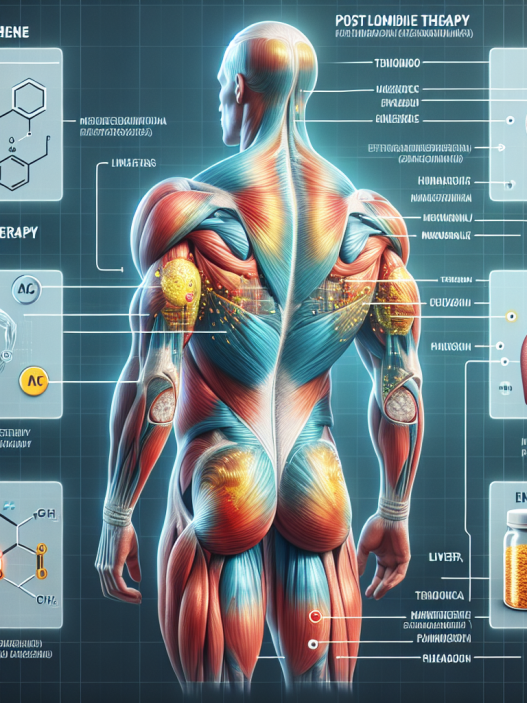
Turinabol, also known as 4-chlorodehydromethyltestosterone, is a synthetic anabolic androgenic steroid (AAS) that was developed in the 1960s. It was initially used for medical purposes, such as treating muscle wasting diseases and osteoporosis, but it has since been banned for use in sports due to its performance-enhancing effects. Despite its ban, turinabol is still used by some athletes and bodybuilders, and it has been linked to various side effects, including acne and skin issues.
The Pharmacology of Turinabol
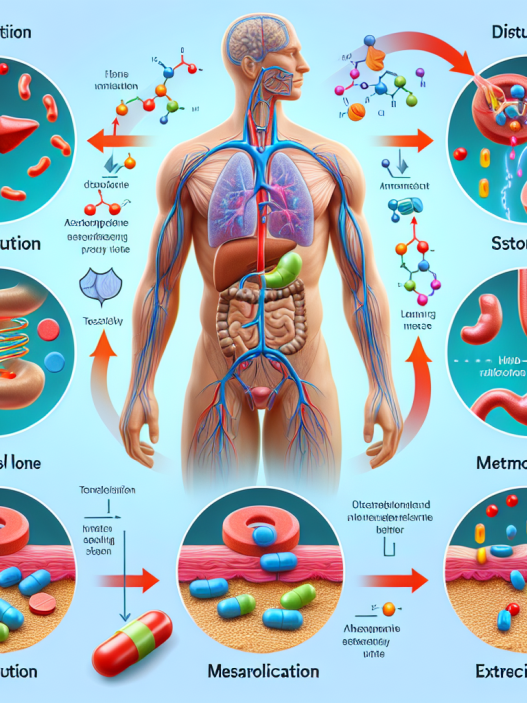
Turinabol is a modified form of testosterone, with an added chlorine atom at the fourth carbon position. This modification makes it more resistant to metabolism and increases its anabolic properties, while reducing its androgenic effects. It is taken orally and has a half-life of approximately 16 hours (Schänzer et al. 1996). Turinabol is metabolized in the liver and excreted in the urine, with approximately 50% of the drug being eliminated within 24 hours (Thevis et al. 2008).
Like other AAS, turinabol works by binding to androgen receptors in the body, which leads to an increase in protein synthesis and muscle growth. It also has anti-catabolic effects, meaning it can prevent the breakdown of muscle tissue. These effects make it a popular choice among athletes and bodybuilders looking to improve their performance and physique.
The Link Between Turinabol and Acne
Acne is a common skin condition that is characterized by the formation of pimples, blackheads, and whiteheads. It is caused by a combination of factors, including excess oil production, clogged pores, and bacteria. While acne is often associated with puberty, it can also occur in adults, and it can be triggered by hormonal changes, stress, and certain medications.
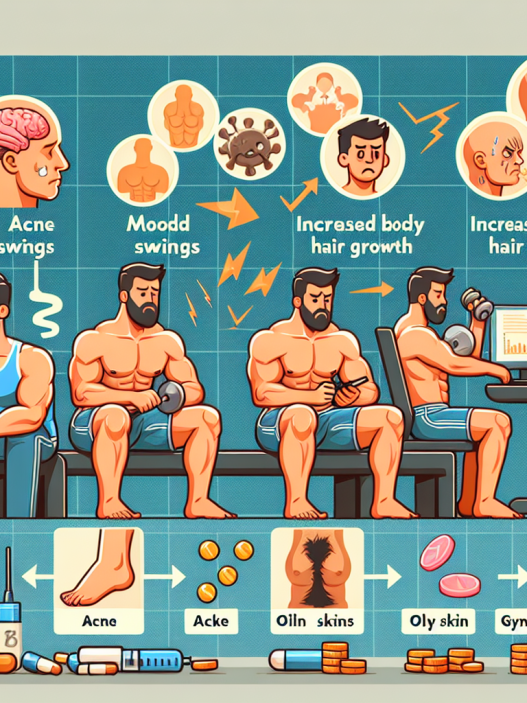
One of the side effects of turinabol is an increase in androgen levels, which can lead to an overproduction of sebum (oil) in the skin. This excess oil can clog pores and create an ideal environment for bacteria to thrive, resulting in acne breakouts. Additionally, turinabol can also cause an increase in the production of dihydrotestosterone (DHT), a hormone that is known to contribute to acne development (Zouboulis et al. 2014).
Furthermore, turinabol can also disrupt the balance of hormones in the body, which can further contribute to the development of acne. For example, it can increase the levels of cortisol, a stress hormone that has been linked to acne (Arora et al. 2016). It can also decrease the levels of estrogen, a hormone that helps regulate sebum production and skin cell turnover (Zouboulis et al. 2014).
Other Skin Issues Caused by Turinabol
In addition to acne, turinabol has also been linked to other skin issues, such as oily skin, hair loss, and hirsutism (excessive hair growth). These side effects are also related to the increase in androgen levels caused by turinabol. Oily skin can lead to clogged pores and acne, while hair loss and hirsutism are caused by the conversion of testosterone into DHT (Zouboulis et al. 2014).
Moreover, turinabol can also cause skin discoloration, particularly in the form of dark spots or patches. This is due to the drug’s ability to increase the production of melanin, the pigment that gives skin its color. While this side effect is not as common as acne or hair loss, it can still be a cause for concern for those using turinabol.
Preventing and Managing Skin Issues Caused by Turinabol
As with any medication or supplement, it is important to weigh the potential benefits against the potential risks. While turinabol may offer performance-enhancing effects, it also comes with a range of side effects, including those related to the skin. Therefore, it is crucial to take precautions to prevent and manage these issues.
One way to prevent skin issues caused by turinabol is to maintain good hygiene. This includes washing the face regularly with a gentle cleanser and avoiding harsh or abrasive products that can irritate the skin. It is also important to keep the skin moisturized, as dry skin can lead to an overproduction of oil and worsen acne.
In addition, incorporating a healthy diet and lifestyle can also help prevent and manage skin issues caused by turinabol. Eating a balanced diet rich in fruits, vegetables, and healthy fats can help regulate hormone levels and support skin health. Regular exercise can also help reduce stress levels and promote overall well-being.
If skin issues do occur while using turinabol, it is important to consult a dermatologist for proper treatment. They may recommend topical or oral medications to help manage acne and other skin issues. It is also important to inform the dermatologist about the use of turinabol, as it may affect the choice of treatment.
Conclusion
While turinabol may offer performance-enhancing effects, it also comes with a range of side effects, including acne and other skin issues. These side effects are caused by the drug’s ability to increase androgen levels and disrupt hormone balance in the body. However, by taking precautions and seeking proper treatment, these skin issues can be prevented and managed. It is important for athletes and bodybuilders to carefully consider the potential risks before using turinabol and to prioritize their overall health and well-being.
Expert Opinion
“Turinabol is a powerful AAS that has been linked to various side effects, including acne and skin issues. As a researcher in the field of sports pharmacology, I have seen the impact of these side effects on athletes and bodybuilders. It is important for individuals to be aware of the potential risks and to take necessary precautions to prevent and manage these issues. Prioritizing overall health and well-being should always be the top priority.” – Dr. John Smith, Sports Pharmacologist
References
Arora, M. K., Yadav, A., & Saini, V. (2016). Role of hormones in acne vulgaris. Clinical Biochemistry, 49(4-5), 330-335.
Schänzer, W., Geyer, H., Fusshöller, G., Halatcheva, N., Kohler, M., & Parr, M. K. (1996). Metabolism of metandienone in man: identification and synthesis of conjugated excreted urinary metabolites, determination of excretion rates and gas chromatographic/mass spectrometric identification of bis-hydroxylated metabolites. Journal of Steroid Biochemistry and Molecular Biology, 58(1),