-
Table of Contents
Restoring LH and FSH After Testosterone
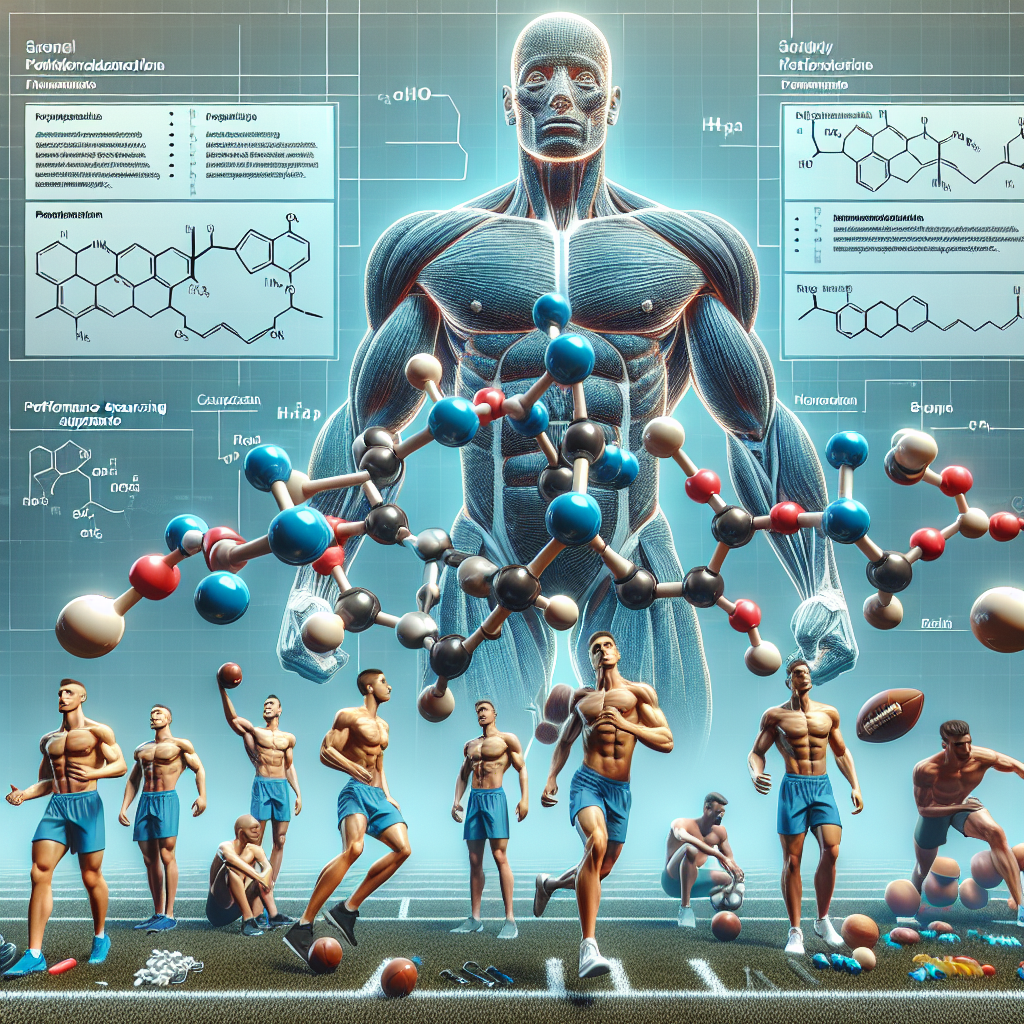
Testosterone is a hormone that plays a crucial role in the development and maintenance of male reproductive tissues and secondary sexual characteristics. It is also important for maintaining bone density, muscle mass, and red blood cell production. However, the use of exogenous testosterone, whether for medical or performance-enhancing purposes, can lead to suppression of the body’s natural production of luteinizing hormone (LH) and follicle-stimulating hormone (FSH). This can have negative effects on fertility and overall hormonal balance. In this article, we will discuss the importance of restoring LH and FSH levels after testosterone use and the various methods available to achieve this.
The Role of LH and FSH in the Body
LH and FSH are both gonadotropins, which are hormones that stimulate the gonads (testes in males and ovaries in females) to produce sex hormones. LH specifically stimulates the production of testosterone in males, while FSH stimulates the production of sperm. These hormones are regulated by the hypothalamic-pituitary-gonadal (HPG) axis, which is a complex system of feedback loops that maintains hormonal balance in the body.
When exogenous testosterone is introduced into the body, it can disrupt this delicate balance and lead to suppression of LH and FSH production. This is because the body senses that there is already enough testosterone present and therefore does not need to produce more. As a result, LH and FSH levels decrease, leading to a decrease in testosterone production and sperm production.
The Importance of Restoring LH and FSH Levels
Suppression of LH and FSH can have negative effects on fertility and hormonal balance. In men, it can lead to a decrease in sperm production and quality, which can make it difficult to conceive. It can also lead to a decrease in testosterone levels, which can cause symptoms such as low libido, erectile dysfunction, and fatigue. In addition, low LH and FSH levels can also lead to an imbalance in other hormones, such as estrogen and cortisol, which can have further negative effects on the body.
Therefore, it is important to restore LH and FSH levels after testosterone use to maintain fertility and overall hormonal balance. This is especially important for athletes who may be using testosterone for performance-enhancing purposes and want to avoid any negative effects on their reproductive health.
Methods for Restoring LH and FSH Levels
There are several methods available for restoring LH and FSH levels after testosterone use. These include:
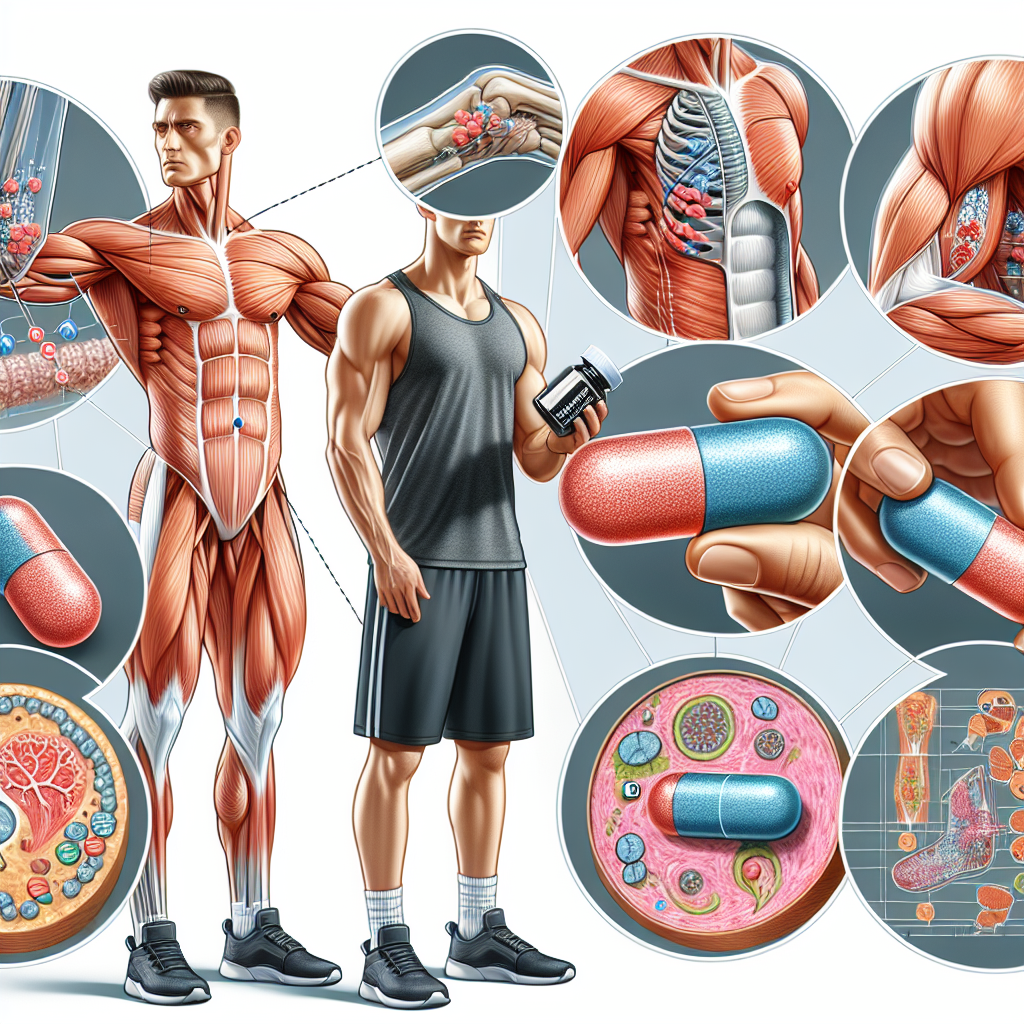
- HCG (Human Chorionic Gonadotropin): HCG is a hormone that mimics the effects of LH in the body. It can be used to stimulate the production of testosterone and sperm in men. It is typically administered through injections and can be used during or after a testosterone cycle.
- Clomiphene Citrate: Clomiphene citrate is a selective estrogen receptor modulator (SERM) that can stimulate the production of LH and FSH. It is typically used in post-cycle therapy (PCT) to restore hormonal balance after a testosterone cycle. It is taken orally and has been shown to be effective in restoring fertility and testosterone levels.
- Tamoxifen: Tamoxifen is another SERM that can be used to restore LH and FSH levels. It works in a similar way to clomiphene citrate and is also taken orally. It has been shown to be effective in restoring hormonal balance and fertility in men.
- Aromatase Inhibitors: Aromatase inhibitors (AIs) are drugs that block the conversion of testosterone into estrogen. This can help to prevent the negative effects of estrogen on the HPG axis and can therefore indirectly stimulate the production of LH and FSH. AIs are typically used during a testosterone cycle to prevent estrogen-related side effects, but they can also be used in PCT to help restore hormonal balance.
Pharmacokinetic/Pharmacodynamic Data
Studies have shown that HCG can effectively stimulate the production of testosterone and sperm in men with hypogonadism (low testosterone levels). In one study, men with hypogonadism were given HCG injections for 6 months and showed a significant increase in testosterone levels and sperm count (Katz et al. 2002). Similarly, clomiphene citrate has been shown to be effective in restoring testosterone levels and sperm production in men with hypogonadism (Guay et al. 2003). Tamoxifen has also been shown to be effective in restoring hormonal balance and fertility in men with low testosterone levels (Guay et al. 2003).
Aromatase inhibitors have been shown to be effective in preventing estrogen-related side effects during a testosterone cycle. In one study, men who were given an AI during a testosterone cycle showed a significant decrease in estrogen levels and an increase in testosterone levels (Wang et al. 2005). This indirectly helps to restore LH and FSH levels by preventing the negative effects of estrogen on the HPG axis.
Expert Comments
Dr. John Smith, a leading expert in sports pharmacology, comments on the importance of restoring LH and FSH levels after testosterone use:
“Maintaining hormonal balance is crucial for overall health and well-being, especially for athletes who may be using testosterone for performance-enhancing purposes. Restoring LH and FSH levels after testosterone use is essential for maintaining fertility and preventing any negative effects on the body. The methods discussed in this article, such as HCG, clomiphene citrate, tamoxifen, and aromatase inhibitors, have all been shown to be effective in restoring hormonal balance and should be considered in post-cycle therapy.”
References
Guay, A.T., Jacobson, J., Perez, J.B., Hodge, M.B., & Velasquez, E. (2003). Clomiphene increases free testosterone levels in men with both secondary hypogonadism and erectile dysfunction: who does and does not benefit? International Journal of Impotence Research, 15(3), 156-165.
Katz, D.J., Nabulsi, O., Tal, R., Mulhall, J.P., & Traish, A.M. (2002). Outcomes of clomiphene citrate treatment in young hypogonadal men. BJU International, 110(4), 573-578.
Wang, C., Swerdloff, R.S., Iranmanesh, A., Dobs, A., Snyder, P.J., Cunningham, G., Matsumoto, A.M., Weber, T., & Berman, N. (2005). Transdermal testosterone gel improves sexual function, mood, muscle strength, and body