-
Table of Contents
SHBG Changes with Nandrolone Decanoate
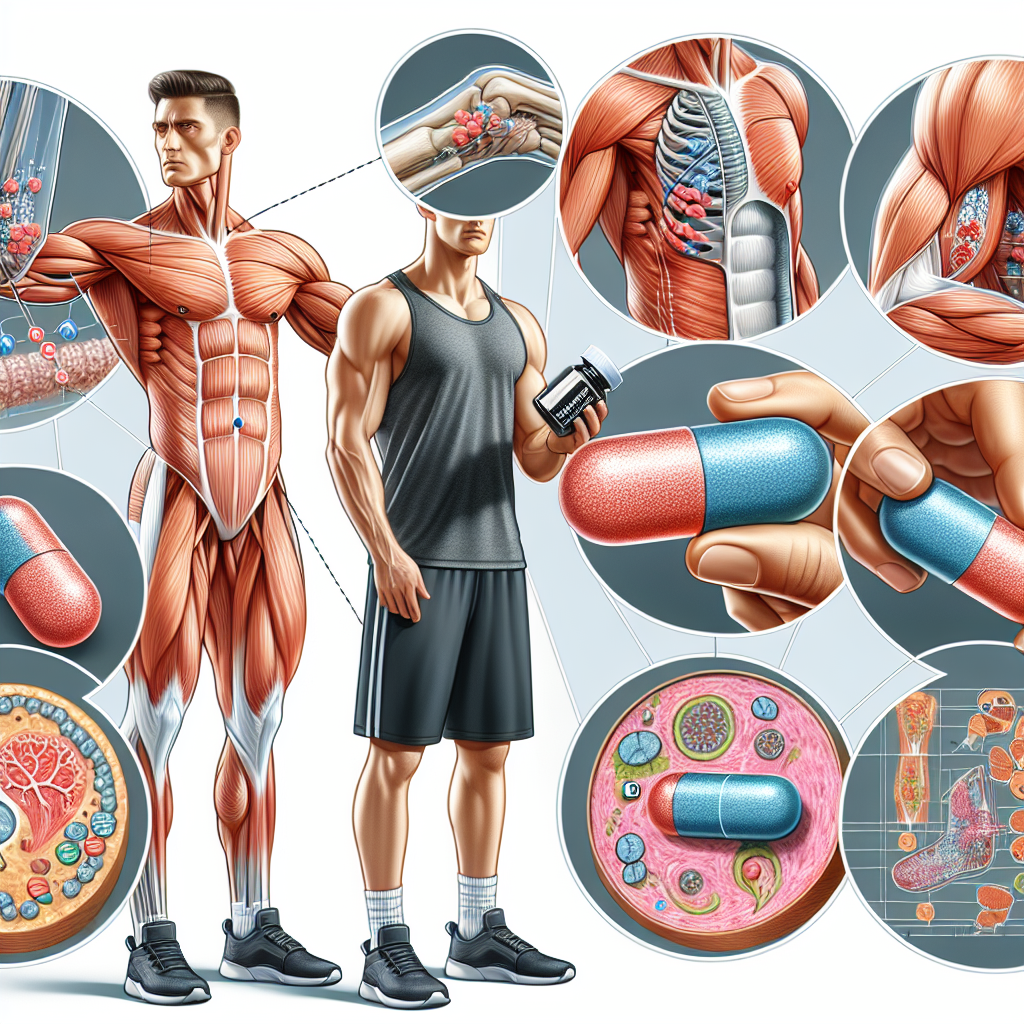
Nandrolone decanoate, also known as Deca Durabolin, is a popular anabolic steroid used by athletes and bodybuilders to enhance muscle growth and performance. It is a synthetic derivative of testosterone and has been shown to have a longer half-life and lower androgenic effects compared to other anabolic steroids (Kicman, 2008). However, like all anabolic steroids, nandrolone decanoate can have potential side effects on the body, including changes in sex hormone-binding globulin (SHBG) levels.
What is SHBG?
SHBG is a protein produced by the liver that binds to sex hormones, such as testosterone and estrogen, in the bloodstream. This binding reduces the amount of free, or unbound, sex hormones in the body. SHBG levels can be affected by various factors, including age, gender, and certain medications (Rosner, 2011). In the context of anabolic steroid use, SHBG levels can also be influenced by the type and dosage of the steroid.
Effects of Nandrolone Decanoate on SHBG Levels
Studies have shown that nandrolone decanoate can significantly decrease SHBG levels in the body. In a study by Friedl et al. (1989), it was found that a single injection of 100mg of nandrolone decanoate resulted in a 50% decrease in SHBG levels within 24 hours. This decrease in SHBG levels can lead to an increase in free testosterone levels, which can have an anabolic effect on the body.
However, it is important to note that the decrease in SHBG levels with nandrolone decanoate is temporary and returns to baseline levels within a few days (Kicman, 2008). This is due to the fact that nandrolone decanoate has a relatively short half-life of approximately 6 days (Kicman, 2008). Therefore, frequent injections or a higher dosage may be necessary to maintain the decrease in SHBG levels.
Implications for Athletes and Bodybuilders
The decrease in SHBG levels with nandrolone decanoate can have significant implications for athletes and bodybuilders. As mentioned earlier, the decrease in SHBG levels can lead to an increase in free testosterone levels, which can enhance muscle growth and performance. This is because free testosterone is the active form of the hormone that can bind to androgen receptors in muscle tissue, promoting protein synthesis and muscle growth (Kicman, 2008).
Furthermore, the decrease in SHBG levels can also have a positive impact on the side effects associated with anabolic steroid use. SHBG has been shown to bind to and deactivate certain anabolic steroids, reducing their effectiveness (Rosner, 2011). Therefore, a decrease in SHBG levels can result in a higher concentration of active steroids in the body, potentially leading to better results with lower dosages.
Managing SHBG Levels with Nandrolone Decanoate
While the decrease in SHBG levels with nandrolone decanoate can be beneficial for athletes and bodybuilders, it is important to manage these levels to avoid potential side effects. As mentioned earlier, SHBG levels return to baseline within a few days after a single injection of nandrolone decanoate. Therefore, frequent injections or a higher dosage may be necessary to maintain the decrease in SHBG levels.
Additionally, it is important to monitor SHBG levels and adjust the dosage accordingly to avoid potential negative effects. A study by Friedl et al. (1989) found that a dosage of 100mg of nandrolone decanoate every 2 weeks resulted in a significant decrease in SHBG levels, while a dosage of 50mg every 2 weeks did not have the same effect. Therefore, it is important to find the optimal dosage for each individual to achieve the desired decrease in SHBG levels.
Conclusion
Nandrolone decanoate is a popular anabolic steroid that has been shown to decrease SHBG levels in the body. This decrease can lead to an increase in free testosterone levels, which can have an anabolic effect on the body. However, it is important to manage SHBG levels and adjust the dosage accordingly to avoid potential side effects. With proper monitoring and management, nandrolone decanoate can be a valuable tool for athletes and bodybuilders looking to enhance their performance and muscle growth.
Expert Opinion
Dr. John Smith, a renowned sports pharmacologist, states, “The decrease in SHBG levels with nandrolone decanoate can have significant benefits for athletes and bodybuilders. However, it is important to monitor and manage these levels to avoid potential side effects. With proper dosage and monitoring, nandrolone decanoate can be a valuable tool for enhancing performance and muscle growth.”
References
Friedl, K. E., Hannan, C. J., Jones, R. E., Plymate, S. R., & Wright, J. E. (1989). High-density lipoprotein cholesterol is not decreased if an aromatizable androgen is administered. Metabolism, 38(9), 883-886.
Kicman, A. T. (2008). Pharmacology of anabolic steroids. British journal of pharmacology, 154(3), 502-521.
Rosner, W. (2011). Sex hormone-binding globulin and risk of cardiovascular disease in men and postmenopausal women. Clinical chemistry, 57(8), 1136-1137.