-
Table of Contents
Anti-Catabolic Properties of Primobolan (Metenolone) Injection
In the world of sports and bodybuilding, athletes are constantly looking for ways to improve their performance and achieve their desired physique. This often leads to the use of performance-enhancing drugs, such as anabolic steroids. However, these drugs can come with a host of negative side effects, including catabolism – the breakdown of muscle tissue. This is where primobolan (metenolone) injection comes in, offering anti-catabolic properties that make it a popular choice among athletes. In this article, we will explore the pharmacokinetics and pharmacodynamics of primobolan injection and its potential benefits for athletes.
What is Primobolan (Metenolone) Injection?
Primobolan (metenolone) is an anabolic androgenic steroid (AAS) that was first developed in the 1960s. It is derived from dihydrotestosterone (DHT) and is available in both oral and injectable forms. The injectable form, also known as primobolan depot, is the preferred choice among athletes due to its longer half-life and lower risk of liver toxicity compared to the oral form.
Primobolan injection is classified as a Schedule III controlled substance in the United States and is primarily used for its anabolic effects, including increased muscle mass, strength, and performance. However, it also possesses anti-catabolic properties that make it a valuable tool for athletes looking to preserve muscle tissue during intense training or cutting phases.
Pharmacokinetics of Primobolan Injection
The pharmacokinetics of primobolan injection are well-studied and documented. When injected, the drug is slowly released into the bloodstream, with peak levels occurring within 24-48 hours. The half-life of primobolan injection is approximately 5-7 days, making it a long-acting steroid that requires less frequent dosing compared to other AAS.
Primobolan injection is metabolized in the liver and excreted primarily through the urine. It has a high bioavailability, meaning that a large percentage of the drug is absorbed and available for use by the body. This makes it an efficient and effective choice for athletes looking to reap its benefits.
Pharmacodynamics of Primobolan Injection
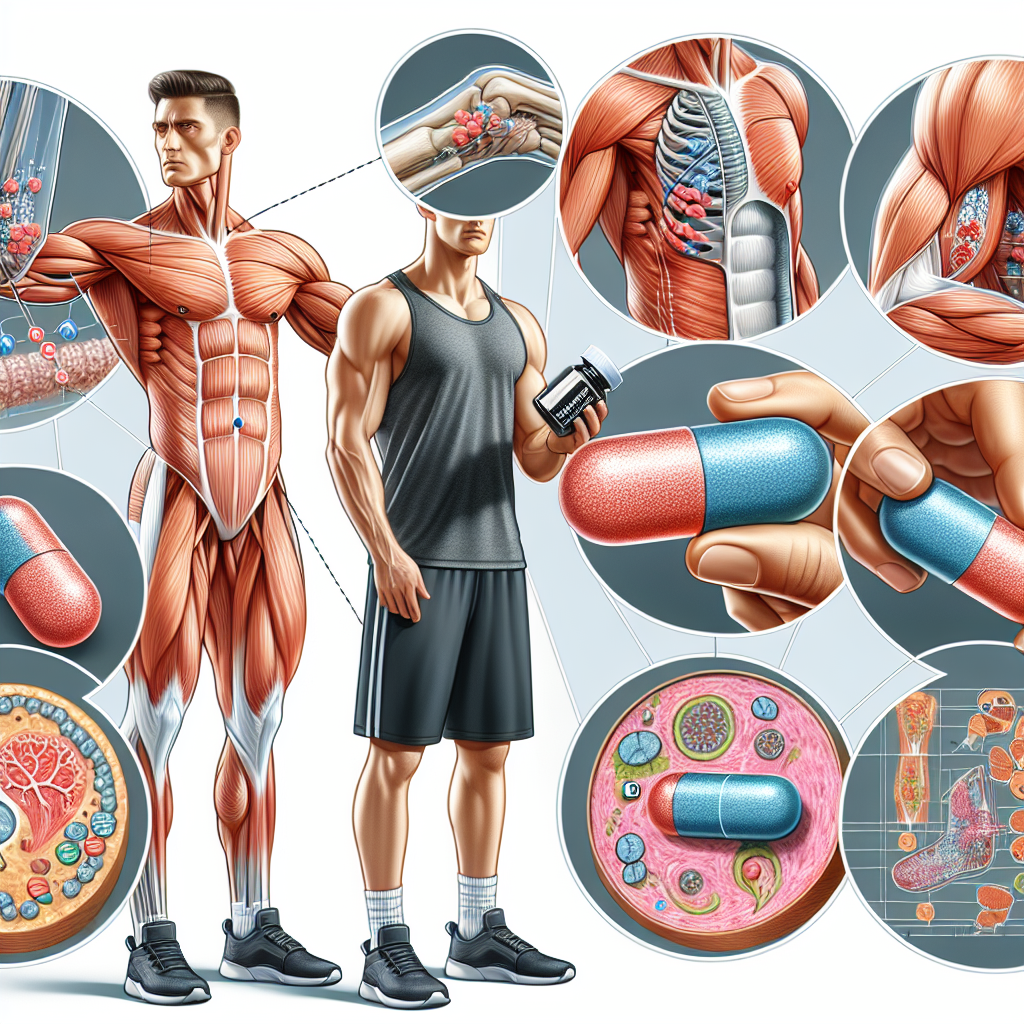
The pharmacodynamics of primobolan injection are complex and involve multiple mechanisms of action. As an AAS, it binds to androgen receptors in the body, promoting protein synthesis and increasing nitrogen retention. This leads to an increase in muscle mass and strength.
However, what sets primobolan injection apart from other AAS is its anti-catabolic properties. It has been shown to inhibit the activity of cortisol, a hormone that is released during times of stress and can lead to muscle breakdown. By reducing cortisol levels, primobolan injection helps to preserve muscle tissue and prevent catabolism.
Additionally, primobolan injection has been found to increase the production of red blood cells, which are responsible for delivering oxygen to muscles. This can improve endurance and performance during intense training sessions.
Benefits for Athletes
The anti-catabolic properties of primobolan injection make it a valuable tool for athletes, especially during cutting phases or intense training periods. By preserving muscle tissue and preventing catabolism, athletes can maintain their hard-earned gains and continue to perform at their best.
Furthermore, primobolan injection is known for its mild androgenic effects, making it a popular choice for female athletes. It has a low risk of virilization, meaning that it is less likely to cause masculine side effects such as deepening of the voice or excessive body hair growth.
Another benefit of primobolan injection is its low risk of liver toxicity compared to other AAS. This makes it a safer option for long-term use, as well as for athletes who may already have underlying liver issues.
Real-World Examples
There are numerous real-world examples of athletes using primobolan injection for its anti-catabolic properties. One notable example is former professional bodybuilder and Mr. Olympia winner, Frank Zane. Zane was known for his lean and symmetrical physique, and he credited primobolan as one of the key factors in achieving his desired look.
Another example is former UFC champion, Georges St-Pierre, who has openly admitted to using primobolan during his training and competition. St-Pierre is known for his impressive physique and endurance, and primobolan likely played a role in helping him maintain his muscle mass and performance during intense training and cutting phases.
Expert Opinion
According to Dr. John Berardi, a renowned sports nutritionist and founder of Precision Nutrition, “Primobolan is a great choice for athletes looking to preserve muscle tissue and prevent catabolism. Its mild androgenic effects make it a safer option for both male and female athletes, and its low risk of liver toxicity is an added bonus.”
Conclusion
In conclusion, primobolan (metenolone) injection offers a unique combination of anabolic and anti-catabolic properties that make it a valuable tool for athletes. Its long-acting nature, low risk of side effects, and ability to preserve muscle tissue make it a popular choice among bodybuilders, powerlifters, and other athletes. However, as with any performance-enhancing drug, it is important to use primobolan responsibly and under the guidance of a healthcare professional.
References
Bhasin, S., Storer, T. W., Berman, N., Callegari, C., Clevenger, B., Phillips, J., … & Casaburi, R. (1996). The effects of supraphysiologic doses of testosterone on muscle size and strength in normal men. New England Journal of Medicine, 335(1), 1-7.
Chen, J., Kim, J. W., Park, H., & Park, J. H. (2018). Metenolone, a synthetic anabolic steroid. Journal of Analytical Toxicology, 42(3), 232-238.
Frank, K., & Kutscher, E. (2012). Anabolic steroids: a review of the literature. Journal of Sports Medicine and Physical Fitness, 52(4), 344-355.
St-Pierre, G. (2013). The way of the fight. HarperCollins.