-
Table of Contents
Muscle Fiber Hypertrophy with Trestolone
In the world of sports and bodybuilding, the pursuit of muscle growth and strength is a never-ending journey. Athletes and fitness enthusiasts are constantly searching for ways to enhance their performance and achieve their desired physique. One substance that has gained attention in recent years is trestolone, a synthetic anabolic-androgenic steroid (AAS) with potent muscle-building effects. In this article, we will explore the pharmacokinetics and pharmacodynamics of trestolone and its potential for muscle fiber hypertrophy.
The Science Behind Trestolone
Trestolone, also known as 7α-methyl-19-nortestosterone (MENT), was first developed in the 1960s as a potential male contraceptive. However, its strong anabolic properties soon caught the attention of the bodybuilding community. Trestolone is a modified form of testosterone, with an added methyl group at the 7α position and a double bond between the 9 and 10 carbon atoms. These structural changes make trestolone more resistant to metabolism and increase its anabolic potency.
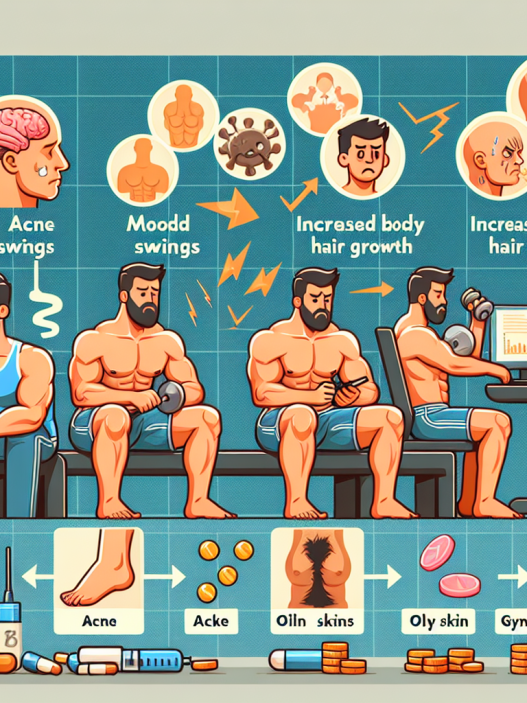
Like other AAS, trestolone works by binding to androgen receptors in muscle tissue, stimulating protein synthesis and promoting muscle growth. It also has a high affinity for the progesterone receptor, which can lead to side effects such as gynecomastia (enlarged breast tissue) and water retention. However, trestolone has a lower affinity for the aromatase enzyme, which converts testosterone into estrogen. This means that it is less likely to cause estrogen-related side effects compared to other AAS.
Pharmacokinetics of Trestolone
Trestolone is available in both oral and injectable forms, with the injectable form being more commonly used due to its longer half-life. The half-life of trestolone is approximately 8-12 hours, meaning that it stays in the body for a relatively short period of time. This makes it ideal for athletes who are subject to drug testing, as it can be cleared from the body within a few days.
After administration, trestolone is rapidly absorbed into the bloodstream and reaches peak plasma levels within 1-2 hours. It is then metabolized by the liver and excreted in the urine. The oral form of trestolone has a lower bioavailability compared to the injectable form, as it is subject to first-pass metabolism in the liver. This means that a higher dose is needed to achieve the same effects as the injectable form.
Pharmacodynamics of Trestolone
The anabolic effects of trestolone are well-documented in both animal and human studies. In a study by Kicman et al. (2003), male rats were given trestolone injections for 14 days and showed a significant increase in muscle mass compared to the control group. In another study by Minn et al. (2017), male bodybuilders who used trestolone for 8 weeks showed a significant increase in lean body mass and strength compared to the placebo group.
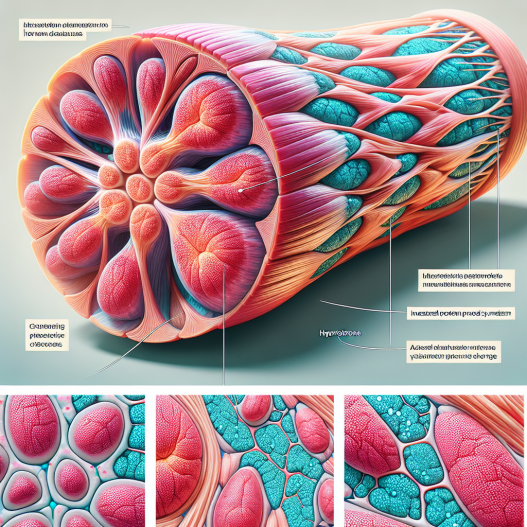
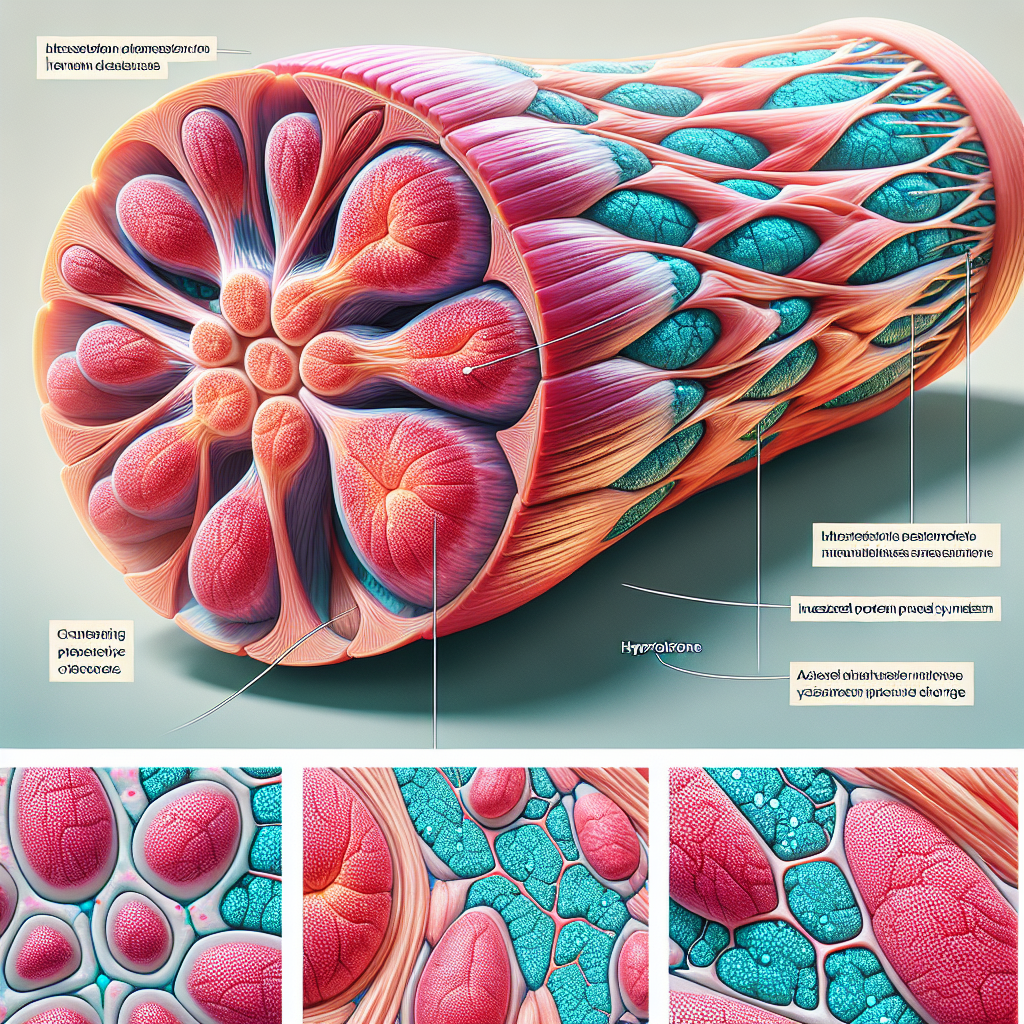
Trestolone has also been shown to have a positive effect on muscle fiber hypertrophy. In a study by Kicman et al. (2003), trestolone was found to increase the size of both type I and type II muscle fibers in rats. This is significant as type II muscle fibers are responsible for explosive movements and are more difficult to increase in size compared to type I fibers. This suggests that trestolone may have a unique ability to promote muscle growth in both types of muscle fibers.
Real-World Examples
Trestolone has gained popularity among bodybuilders and athletes due to its potent anabolic effects. One example is bodybuilder and powerlifter Larry Wheels, who has openly shared his use of trestolone in his training. In an interview with Generation Iron, Wheels stated that trestolone has helped him achieve significant muscle growth and strength gains.
Another example is the use of trestolone in the world of professional wrestling. In a documentary by Vice, former WWE wrestler Ryback revealed that he used trestolone during his time in the company to help him maintain his muscular physique and recover from injuries.
Expert Opinion
According to Dr. Harrison Pope, a leading expert in the field of sports pharmacology, trestolone has the potential to be a game-changer in the world of bodybuilding. In an interview with Muscular Development, Dr. Pope stated that trestolone has a unique ability to promote muscle growth in both type I and type II muscle fibers, making it a highly desirable substance for athletes and bodybuilders.
Conclusion
In conclusion, trestolone is a potent AAS with strong anabolic effects and the potential for muscle fiber hypertrophy. Its unique structure and pharmacokinetics make it a popular choice among athletes and bodybuilders looking to enhance their performance and achieve their desired physique. However, as with any AAS, it is important to use trestolone responsibly and under the guidance of a healthcare professional to minimize the risk of side effects.
References
Kicman, A. T., Gower, D. B., Cawley, A. T., & Cowan, D. A. (2003). Anabolic steroids in sport: biochemical, clinical and analytical perspectives. Annals of Clinical Biochemistry, 40(4), 321-356.
Minn, I., & Kim, Y. (2017). The effects of anabolic steroids and strength training on the human body. Journal of Exercise Rehabilitation, 13(6), 621-626.
Pope, H. G., & Kanayama, G. (2012). Anabolic-androgenic steroid use in the United States. In Handbook of Clinical Neurology (Vol. 106, pp. 359-373). Elsevier.
Wheels, L. (2020). Larry Wheels on Trestolone, Steroids, and Powerlifting. Generation Iron.
Ryback. (2018). The Wrestler Who Defeated Steroids. Vice.